The term phantom pain, first coined by a nineteenth-century American surgeon, refers to a sensory disorder in which pain is felt in a limb as if it were still present, even after amputation. Literally translatable as “ghost pain” or “illusory pain,” the term is rendered in Korean as hwan-sang-tong (幻想痛, “fantasy/phantasm pain”). In Chinese and Japanese, it is translated as huàn zhī tòng / genshitsū (幻肢痛, “phantom limb pain”), while in French it becomes douleur fantôme. In Western usage, the emphasis lies on the ghostly reality of sensation; the Korean translation, by contrast, foregrounds perceptual dissonance through the term “fantasy” (幻想). Meanwhile, the Chinese and Japanese translations replace the character for “thought” (想) with that for “limb” (肢), placing the absence and loss of the body more squarely at the center. Ultimately, phantom pain exposes a contradiction between hallucinatory reality—that is, the discord between the limb’s material condition and sensory experience—and the translations across languages reveal differing perspectives on how this discord is understood.
Rosemary Jackson, a British critic of fantasy literature, argues that the fantastic is not simply synonymous with the unreal, but is instead intimately bound to the real and the rational. She further explains that the fantastic is anti-rational: a subversion of reason’s claim to legitimacy, constructed within the contradictions of reason and reality themselves. Within the paradox of phantom pain—where a body without a wound or site of injury nonetheless testifies to pain—fantasy, ghosts, loss, and sensation are transformed into a horizon that is at once unified and differentiated. As such, “reality is not confined to the familiar or the everyday, because it exists within the vast domain of the potential, as words of a future that has not yet been spoken.”
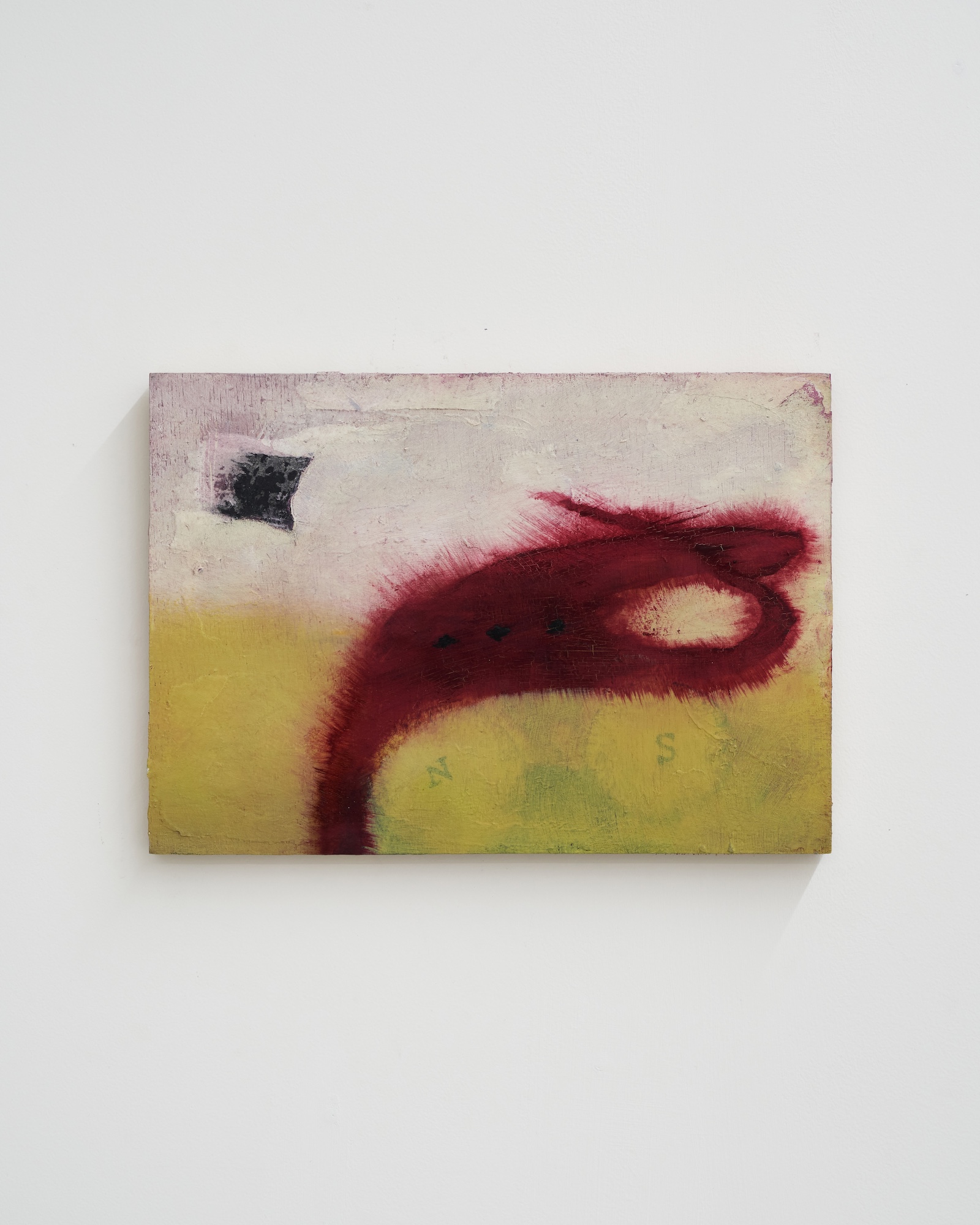
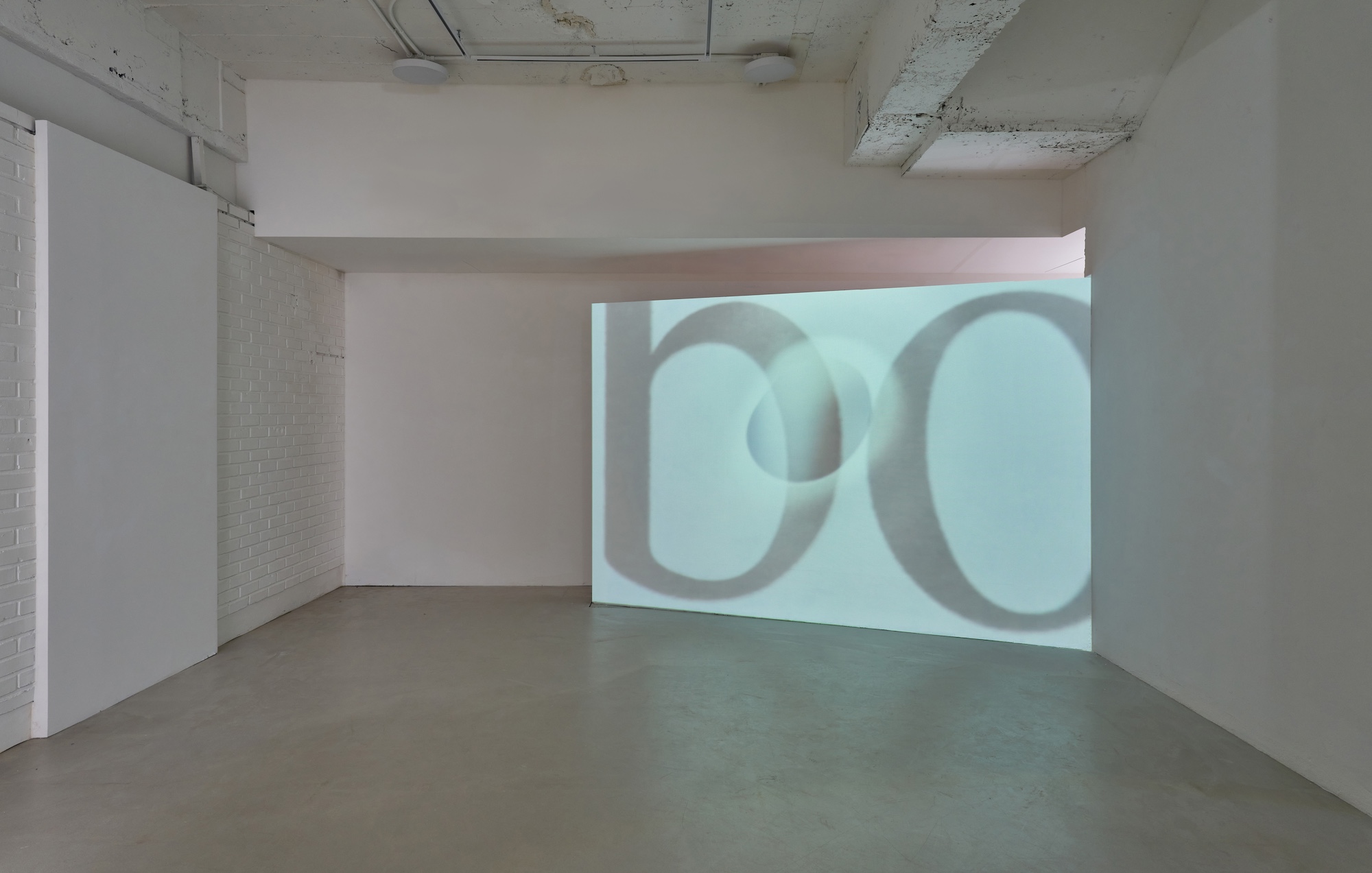
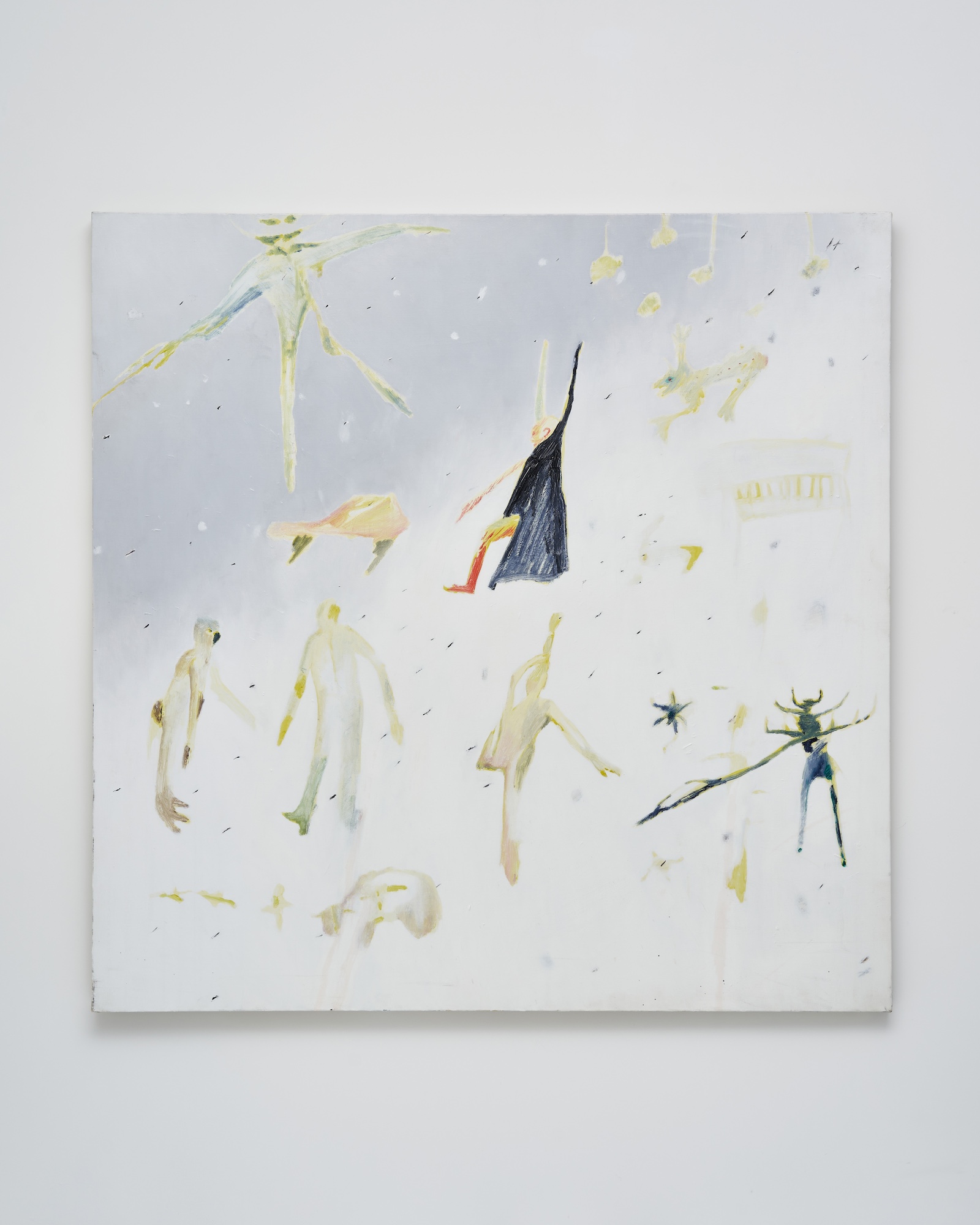
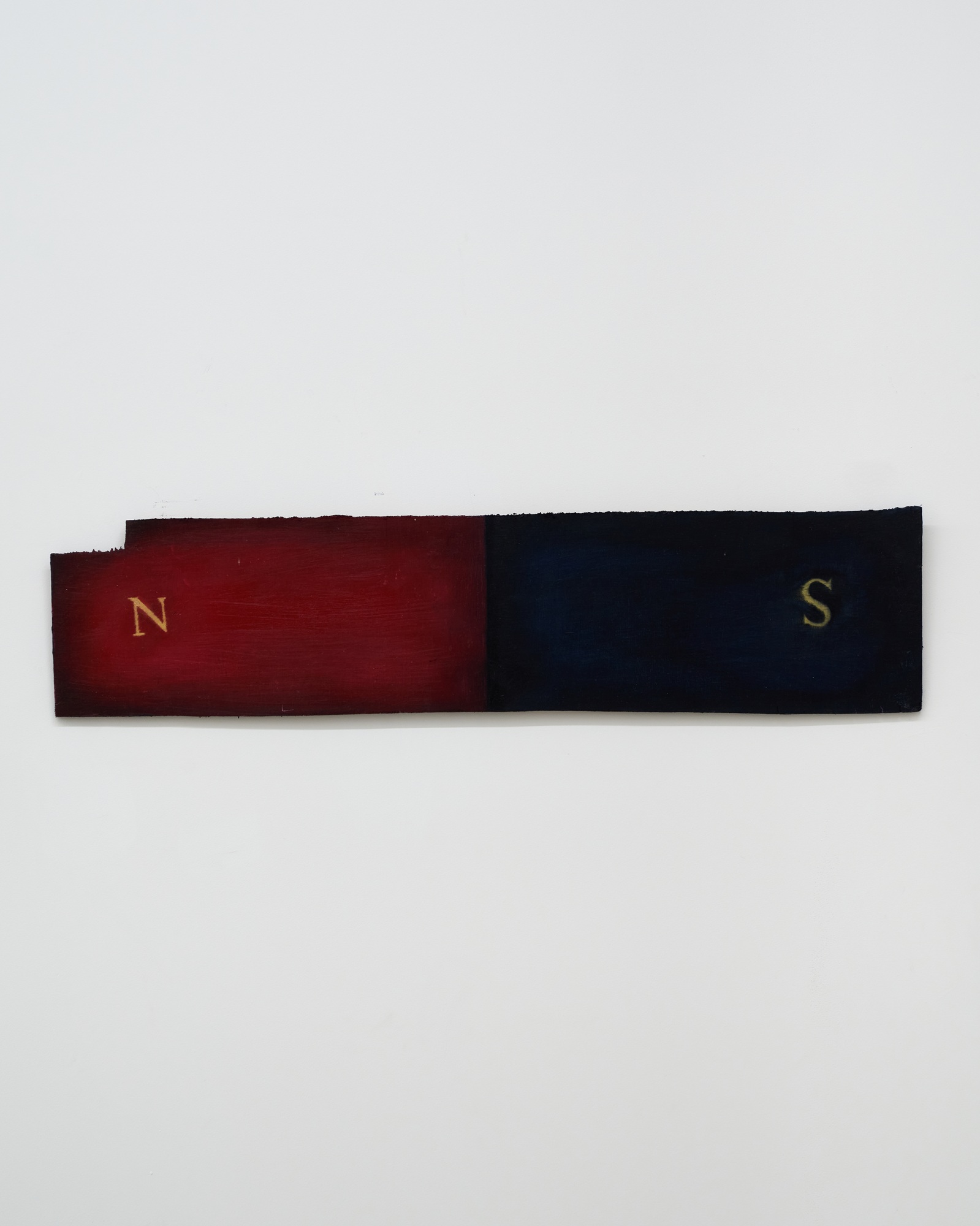
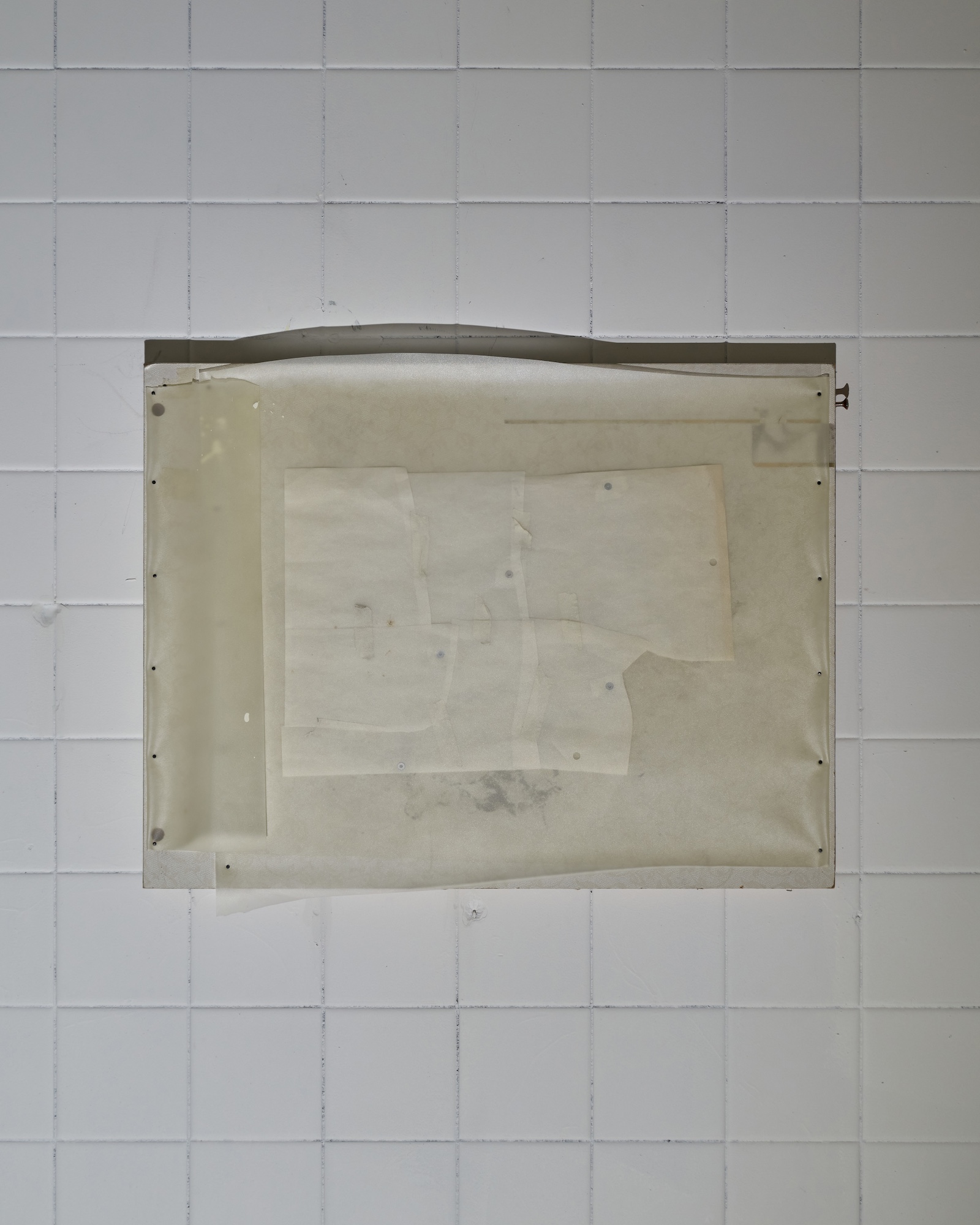
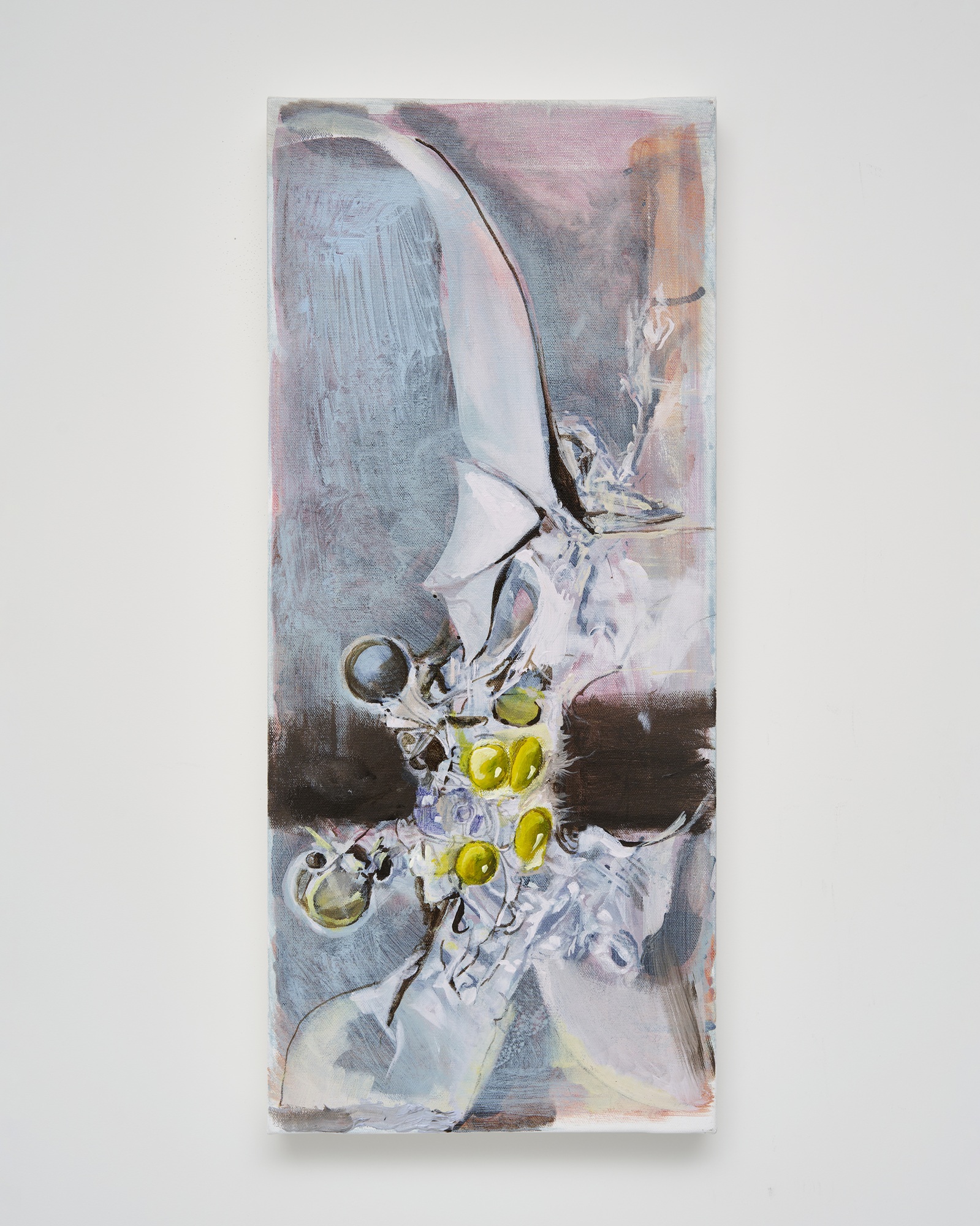
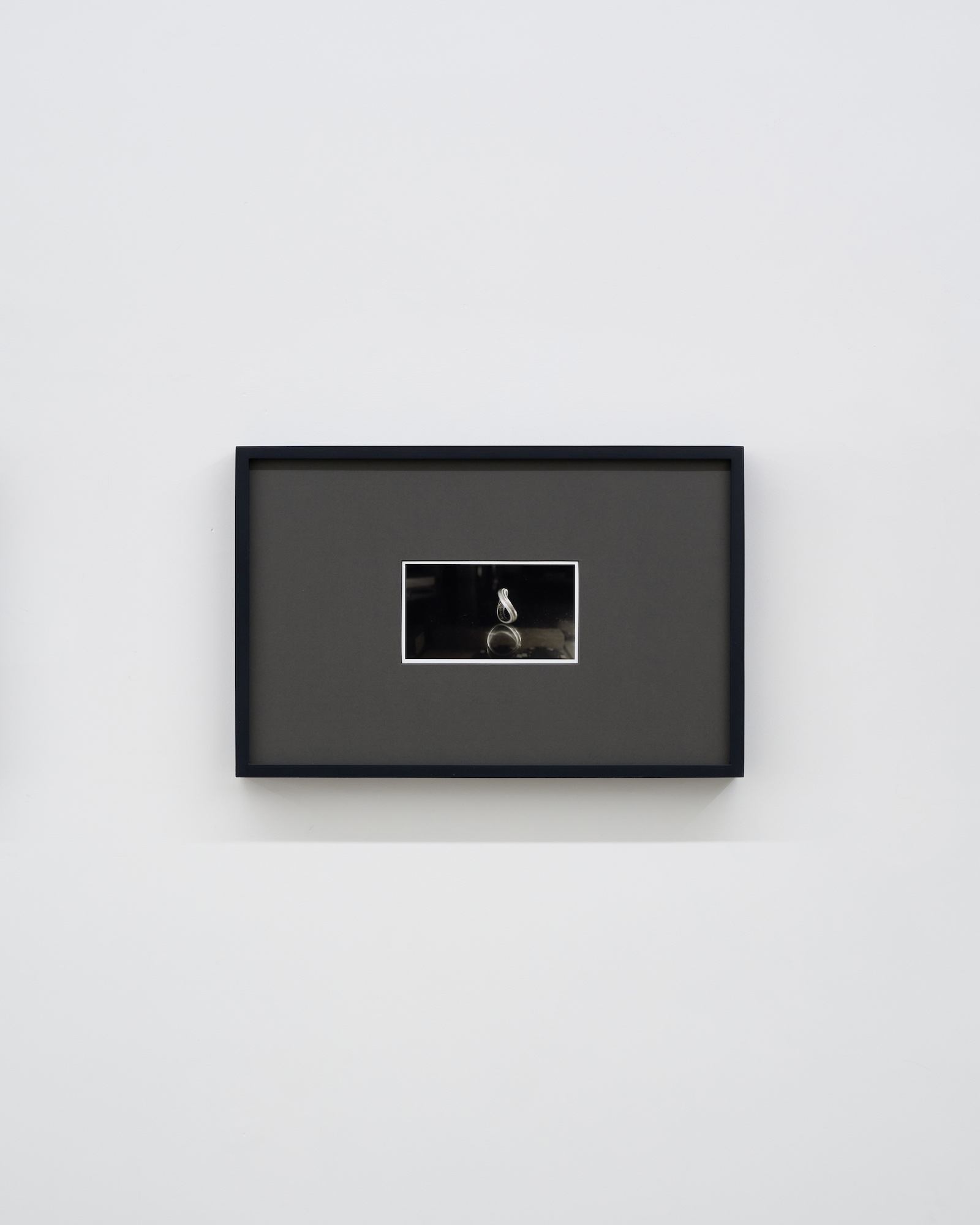
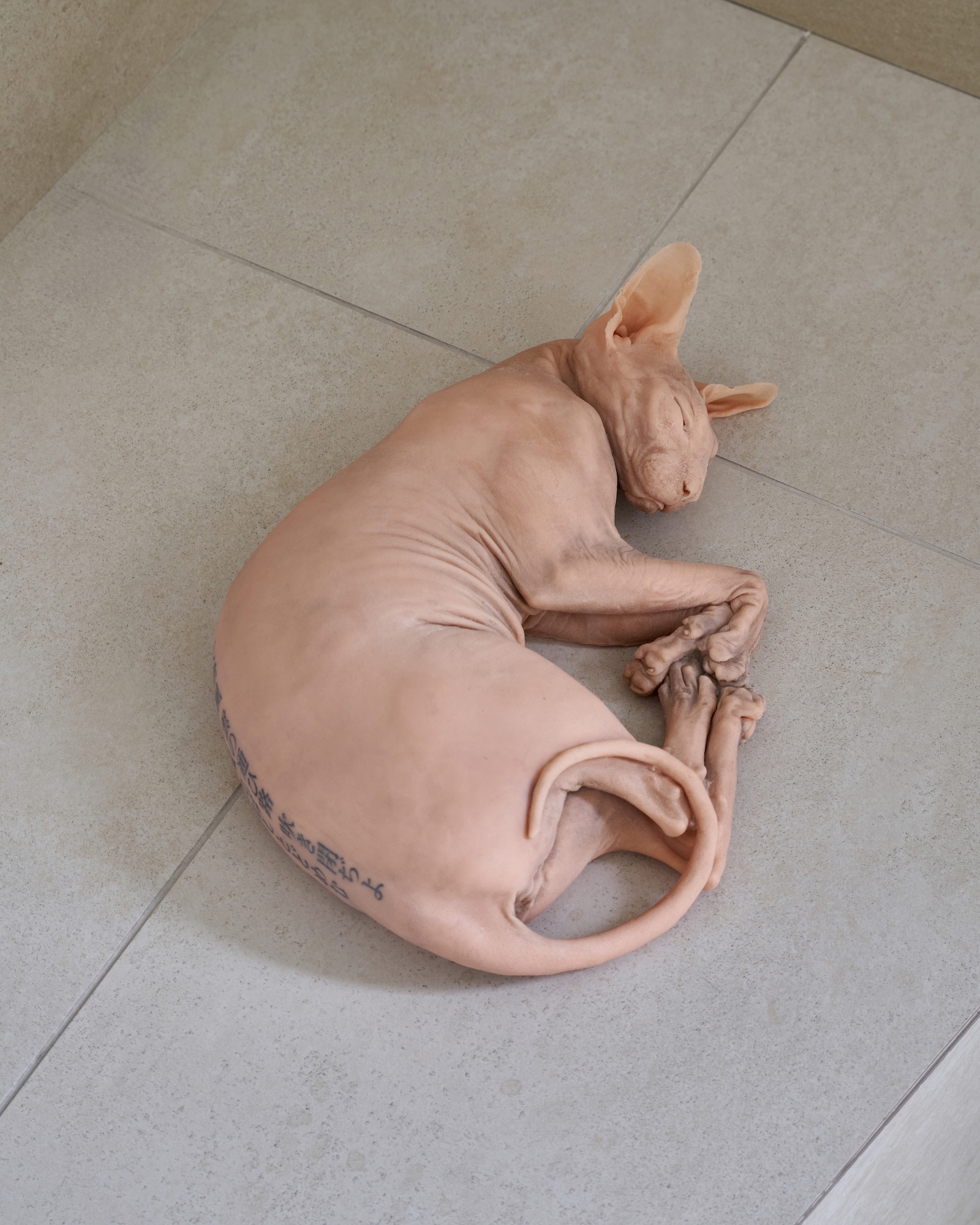
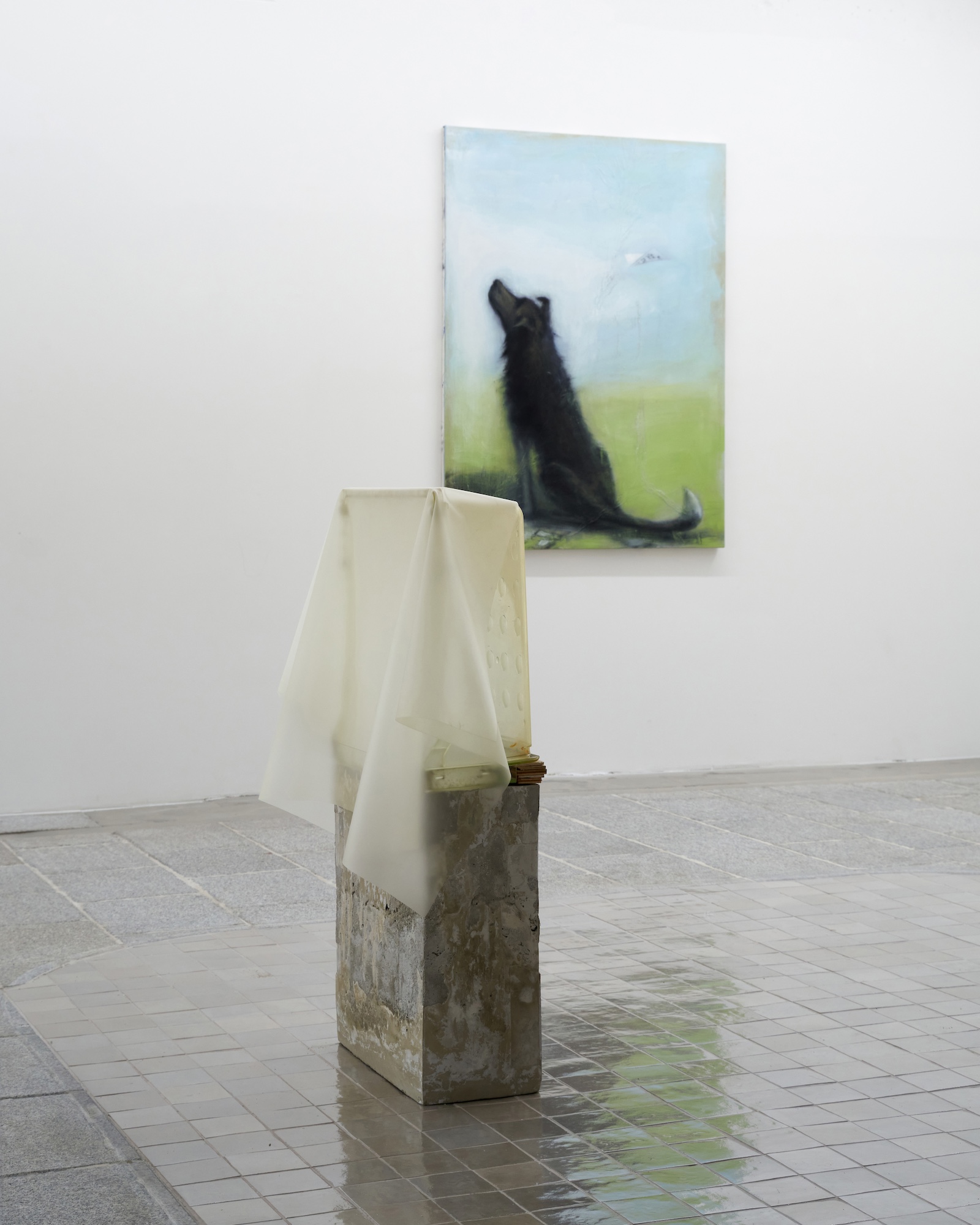
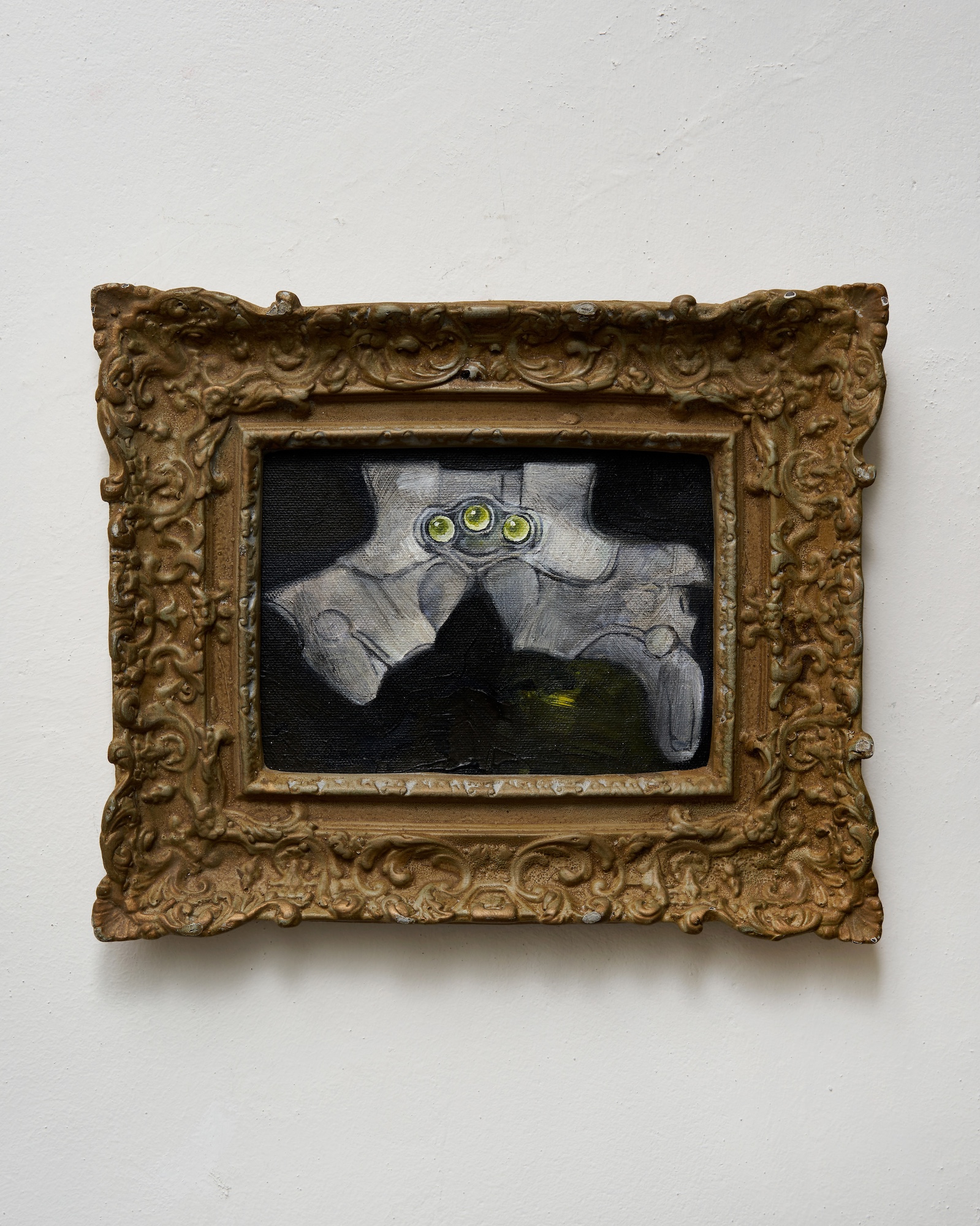
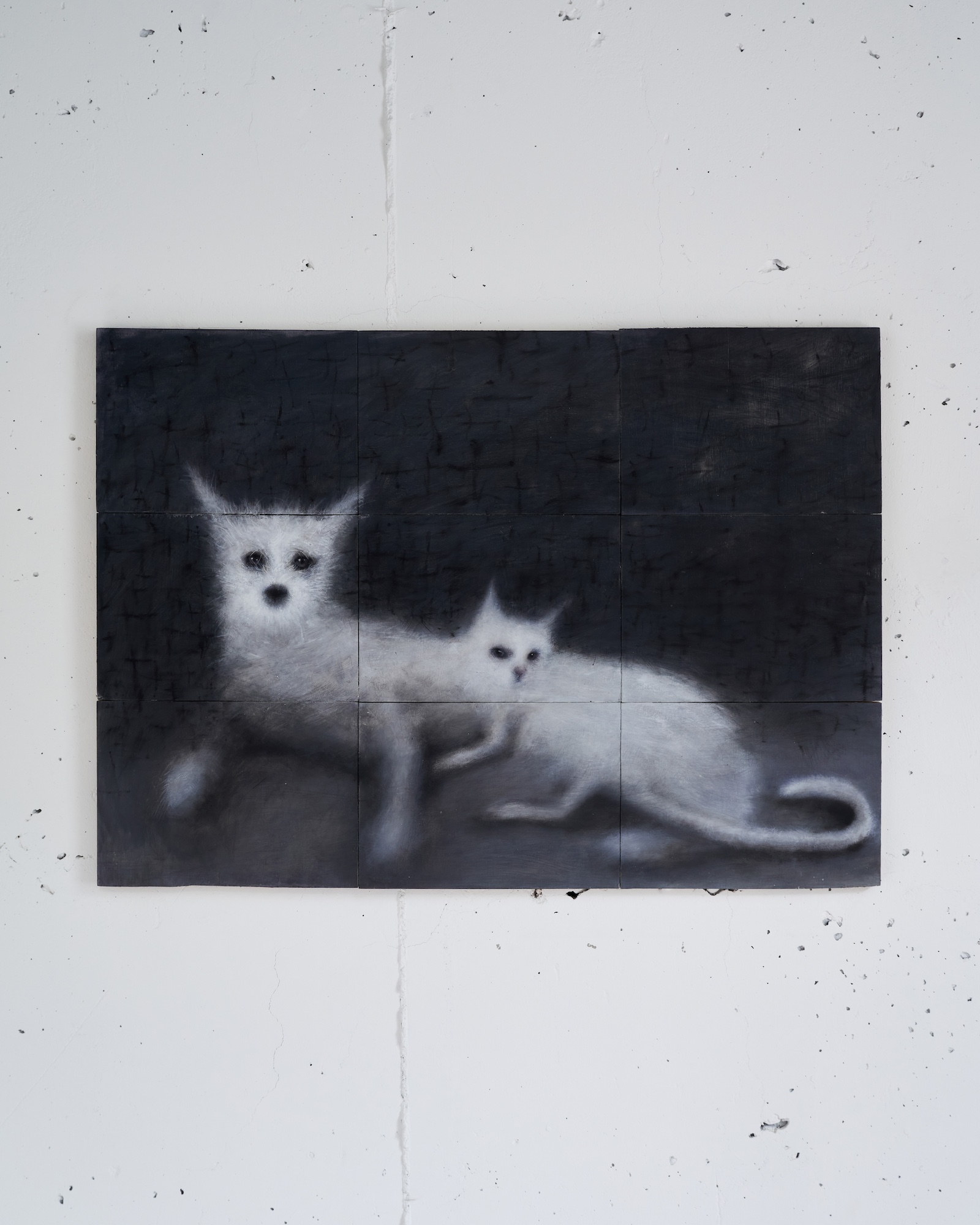
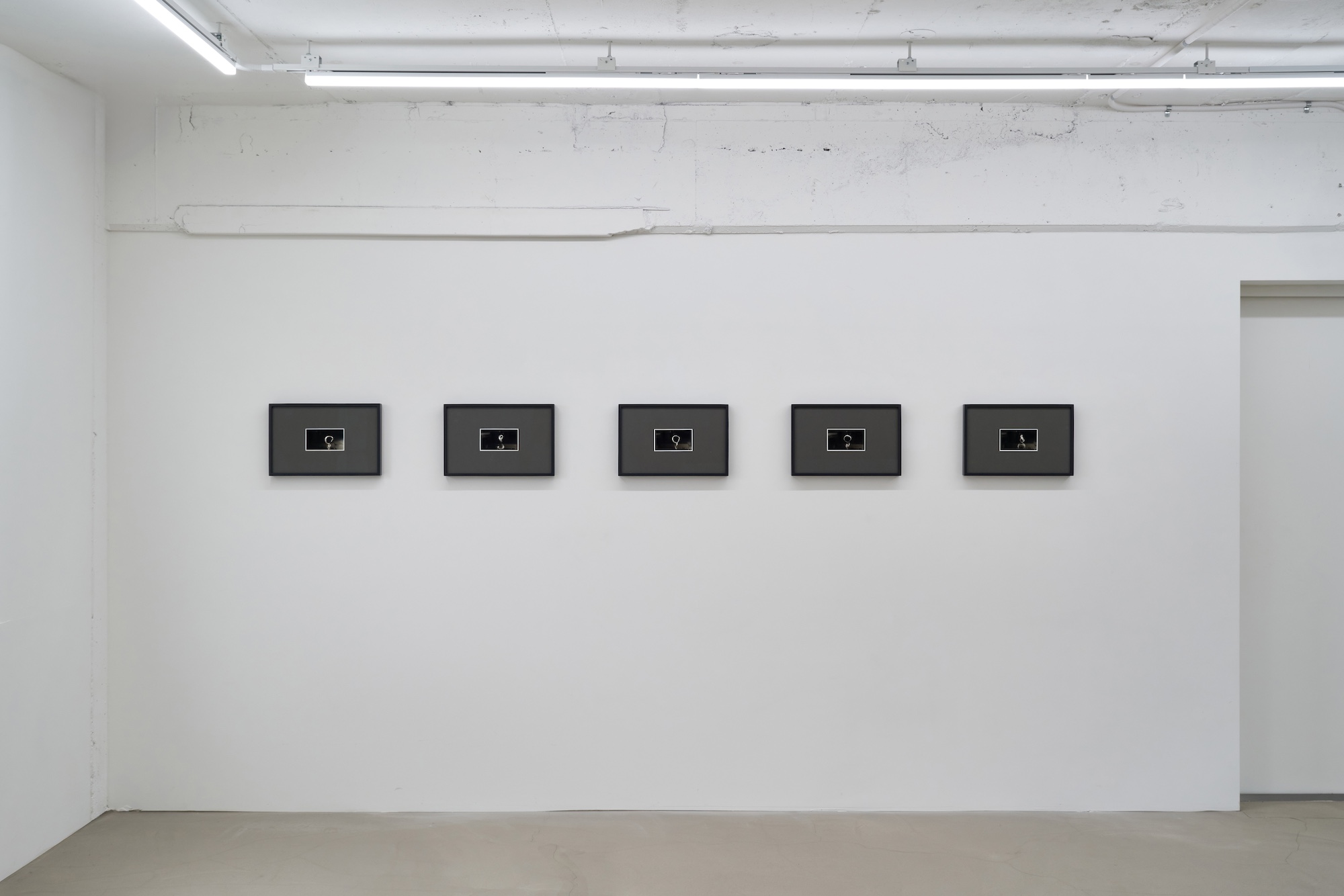
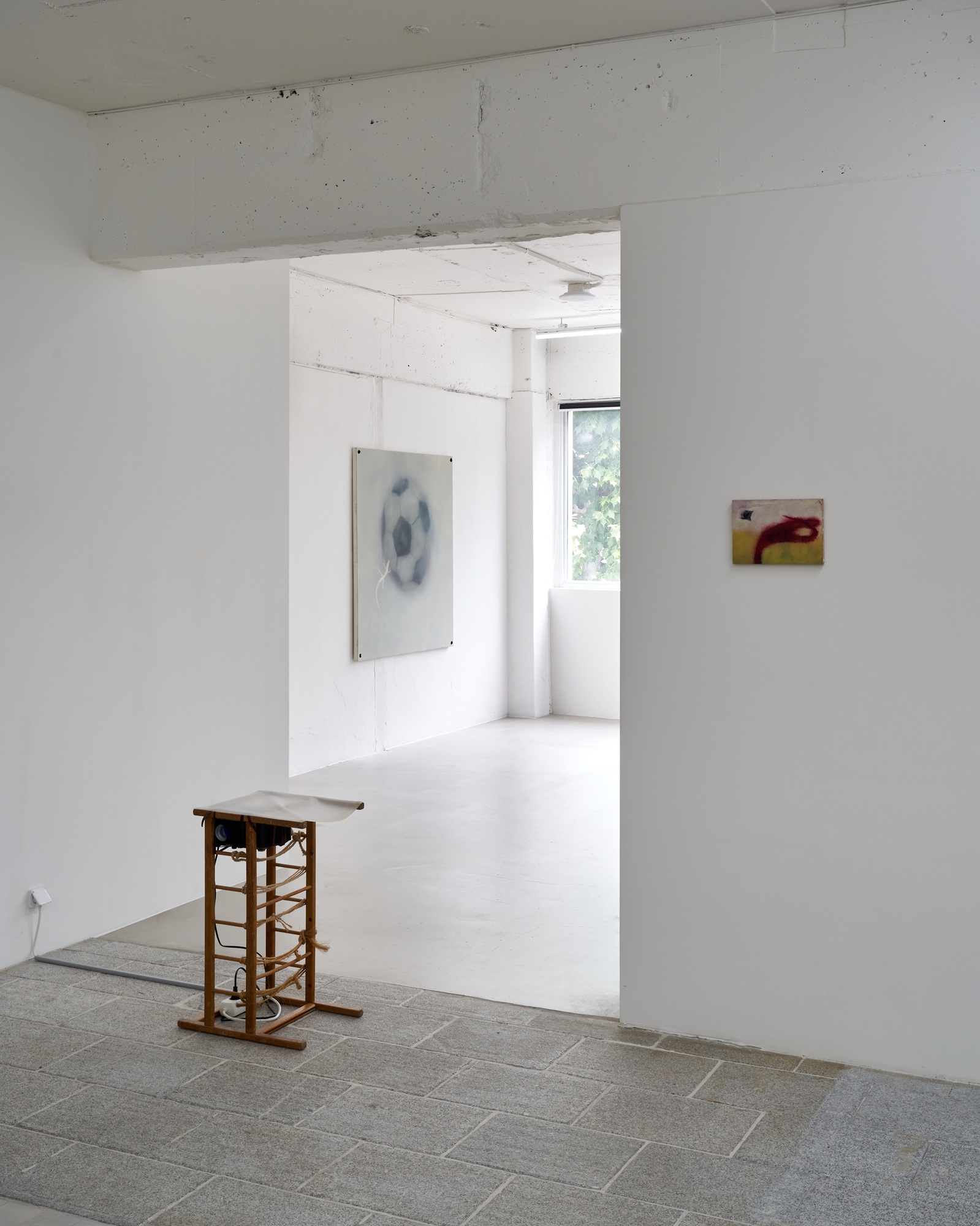
This exhibition brings together the work of three artists—Hyunjin Kim, Hyein Min, and Hyoyeon Jeong—to examine the various ways in which their practices engage with fantasy. Just as the meanings of phantom pain diverge across its translations, each artist’s work traces a distinct set of relationships, producing differences that may appear subtle or vast. Let us assume that Newton’s law of action and reaction applies not only to the physical world, but also to sensations that are invisible and immeasurable. Through this exhibition, the three artists reflect on the forms of fantasy and reality that their works construct, and further share the differing sensibilities and attitudes with which they approach these conditions.
19세기 미국의 한 외과의사가 처음 명명한 환상통 Phantom Pain은 사지가 절단된 이후에도 마치 사라진 부위가 여전히 존재하는 듯 해당 부위에서 통증을 느끼는 감각 이상을 가리킨다. 직역하자면 ‘유령통’, ‘환영통’ 등으로 부를 만한 이 용어는 국어로 ‘환상통 幻想痛’이라 옮기며, 중국과 일본에선 ‘환지통 幻肢痛 (huàn zhī tòng/ genshitsū)’, 불어로는 ‘douleur fantôme’으로 각각 옮기고 있다. 서구권에서는 감각의 유령적 실재를 강조하지만, 국문 번역은 ‘환상(幻想)’이라는 표현을 통해 시지각적 불일치를 부각한다. 반면 중국과 일본의 번역에선 생각 상 想 대신 팔다리 지 肢 자를 써 신체의 부재와 상실을 더 전면에 둔다. 결국 환상통은 환영적 실재, 즉 사지가 처한 현실적 조건과 감각적 실재가 불화하는 모순을 드러내며, 각 언어권의 번역은 이 불화를 바라보는 시선을 달리한다.
영국의 환상문학 평론가 로즈메리 잭슨은 환상적인 것이 단지 비현실적인 것의 동의어가 아니며, 오히려 현실적이고 합리적인 것과 밀접히 연결되어 있다고 말한다. 나아가 환상적인 것은 반합리적인 것, 즉 이성이 지니는 정통성에 대한 전도로서 이성과 리얼리티의 모순들 속에 축조되는 무엇이라고 밝힌다. 통증을 증거할 상처, 환부 없는 신체가 겪는 환상통의 모순 속에서 환상, 유령, 상실, 감각은 서로 하나인 동시에 구분된 세계인 어떤 지평으로 변모한다. 따라서 “리얼리티는 친숙한 것, 일상적인 것에 제한되지 않는다. 왜냐하면 그것은 아직 말해지지 않은 미래의 말로서, 잠재적인 것의 거대한 영역 속에 존재하기 때문이다. ”
김현진, 민혜인, 정효연 3인이 참여하는 이번 전시는 세 작가의 작업이 환상과 관계 맺는 양식을 살펴본다. 환상통의 각 번역마다 용어적 의미가 분화하듯이 세 작가의 작업 또한 각기 다른 관계를 쫓으며 미세하거나 거대해 보이는 차이를 빚는다. 뉴턴의 작용·반작용 법칙이 물리적 세계 뿐 아니라, 보이지 않고 측량할 수 없는 감각에도 적용된다고 가정해 보자. 전시를 통해 세 작가는 각자의 작업이 양식적으로 축조하는 환상성과 리얼리티를 살피며, 더 나아가 이를 다루는 서로 다른 감수성과 태도를 나눈다.