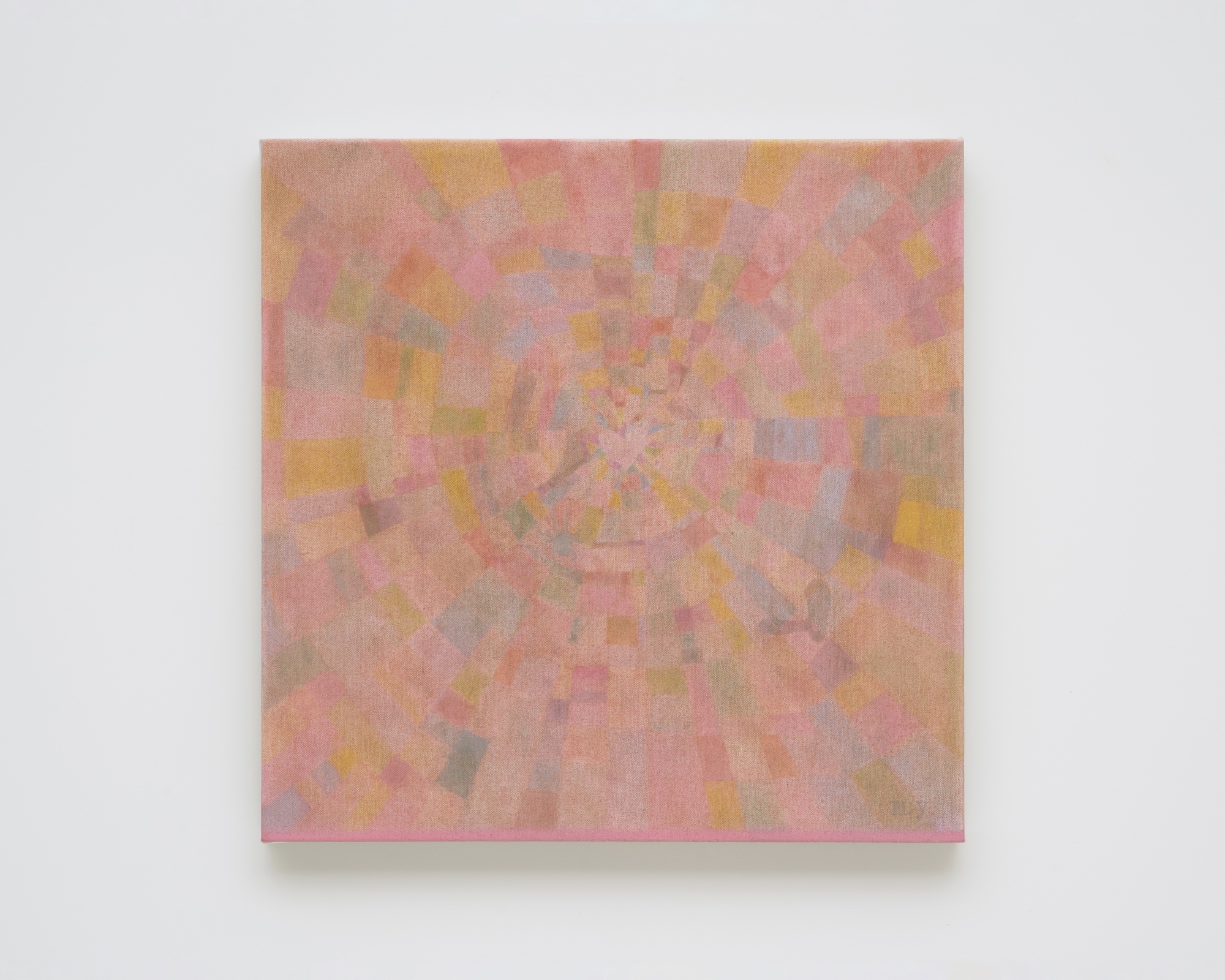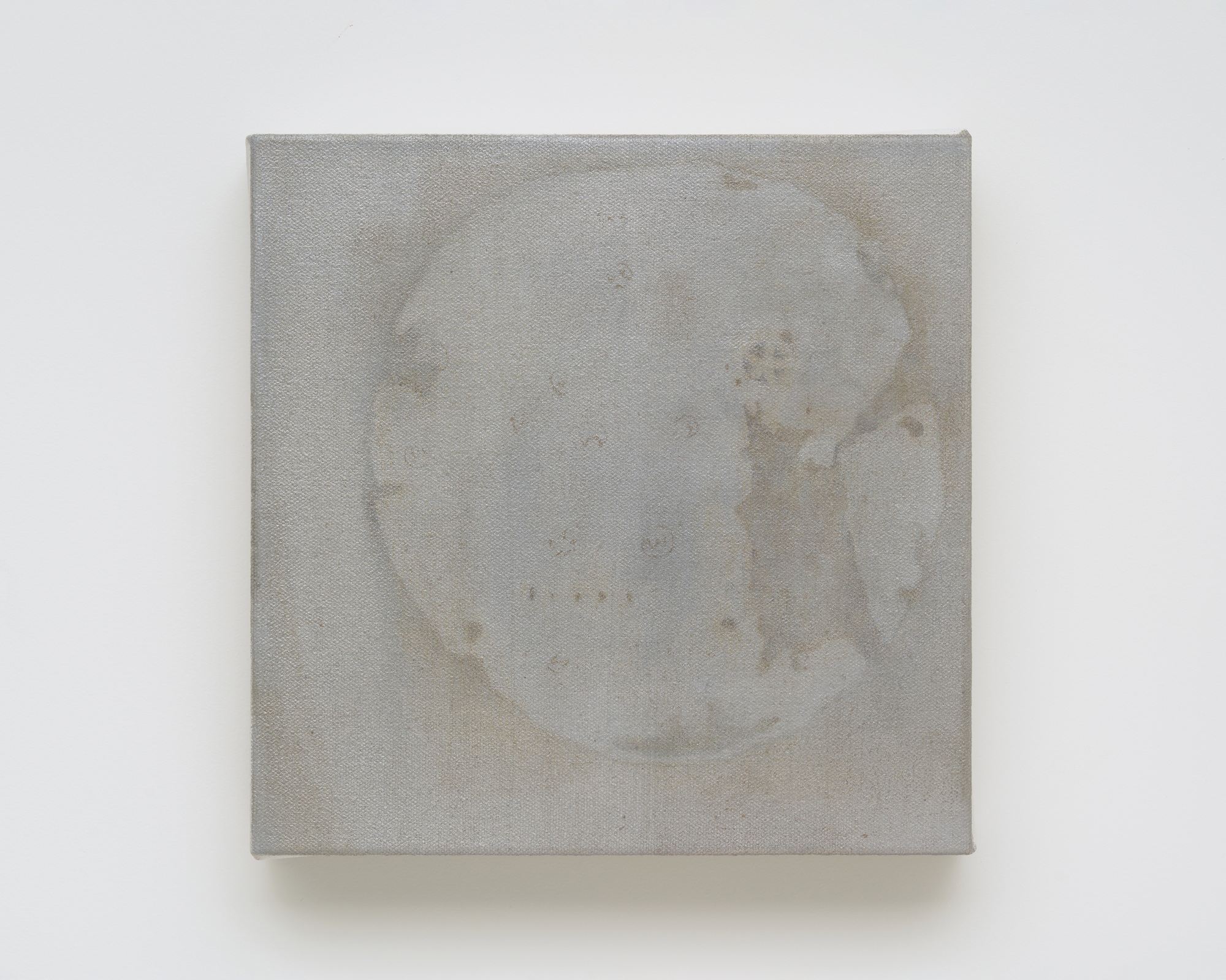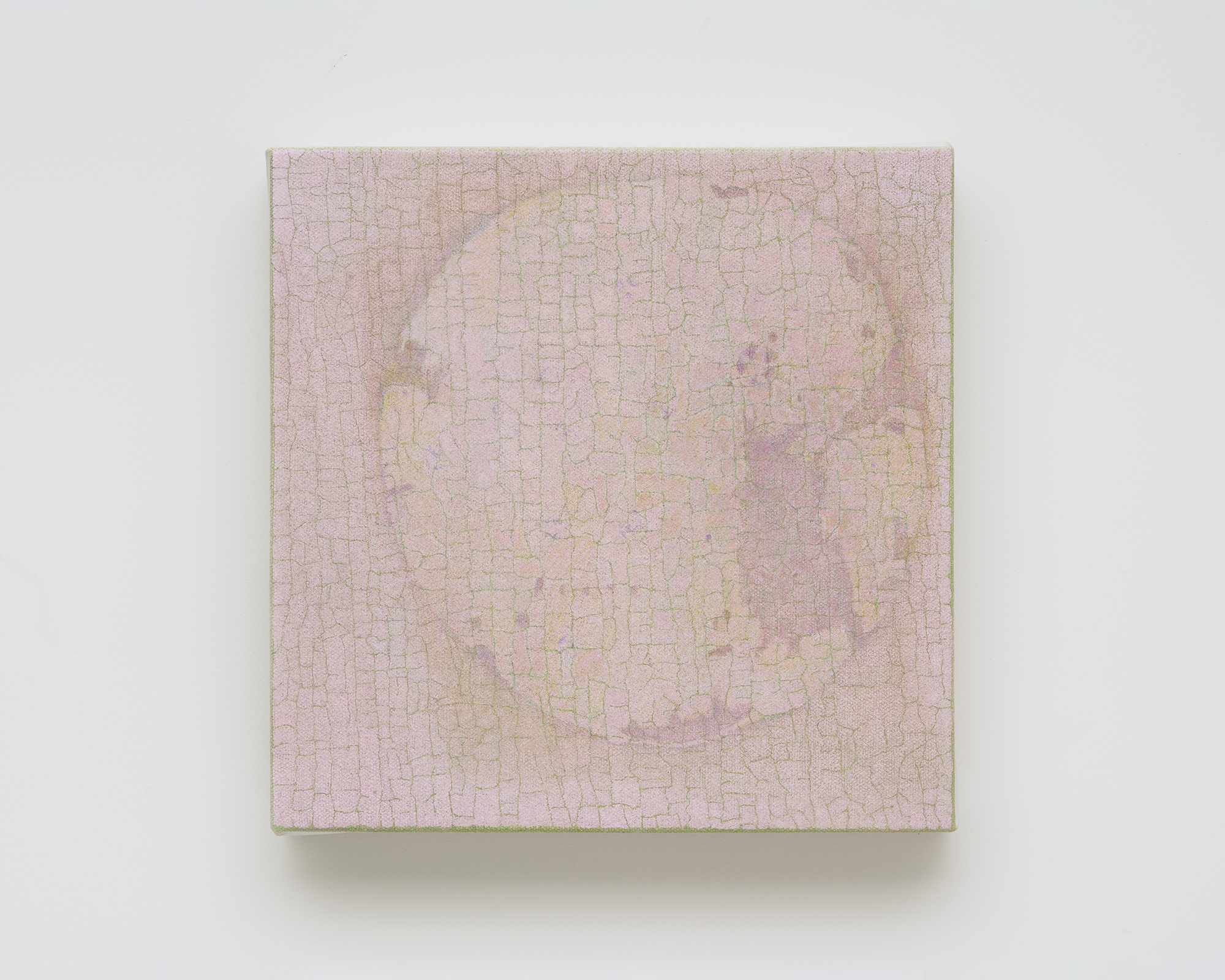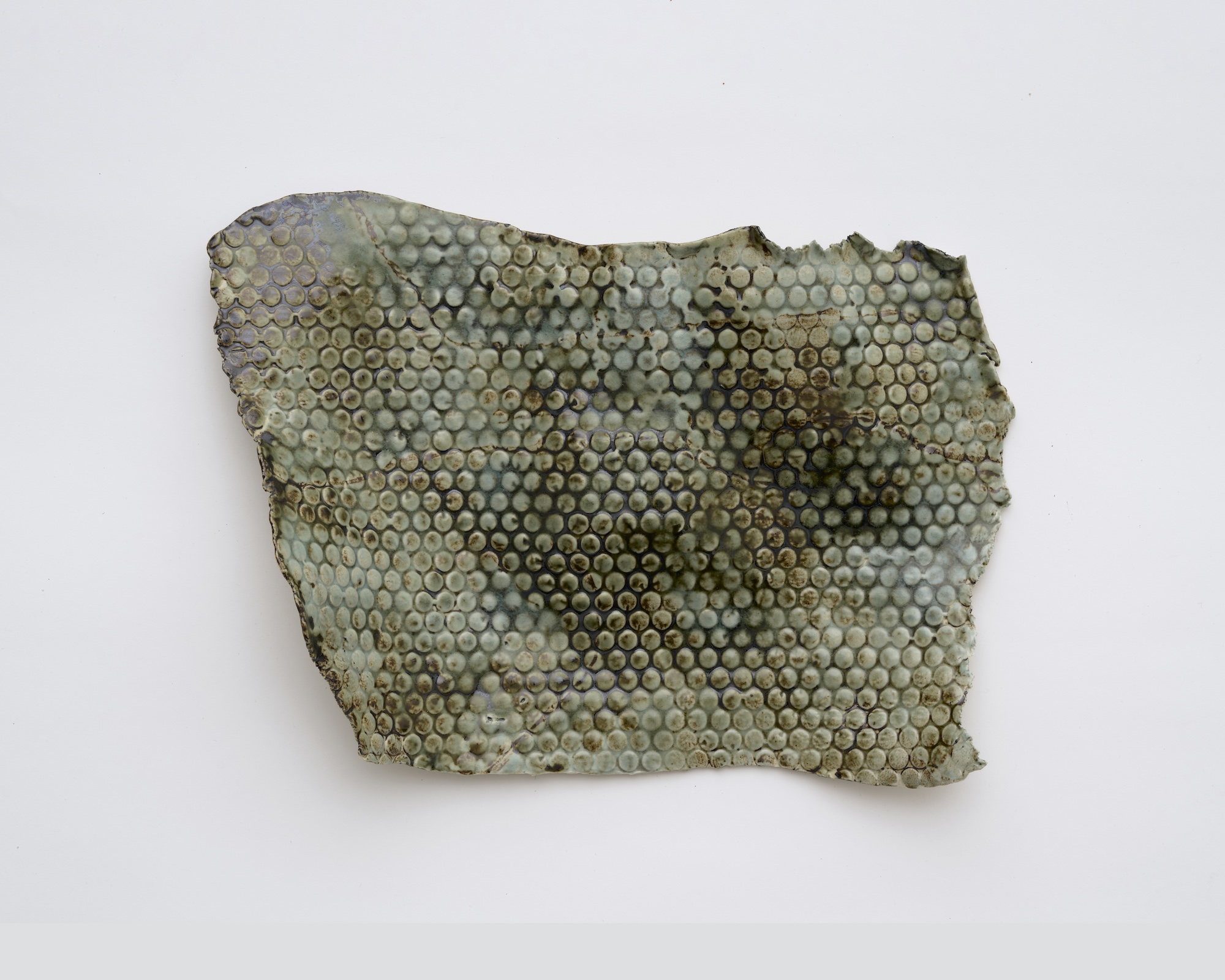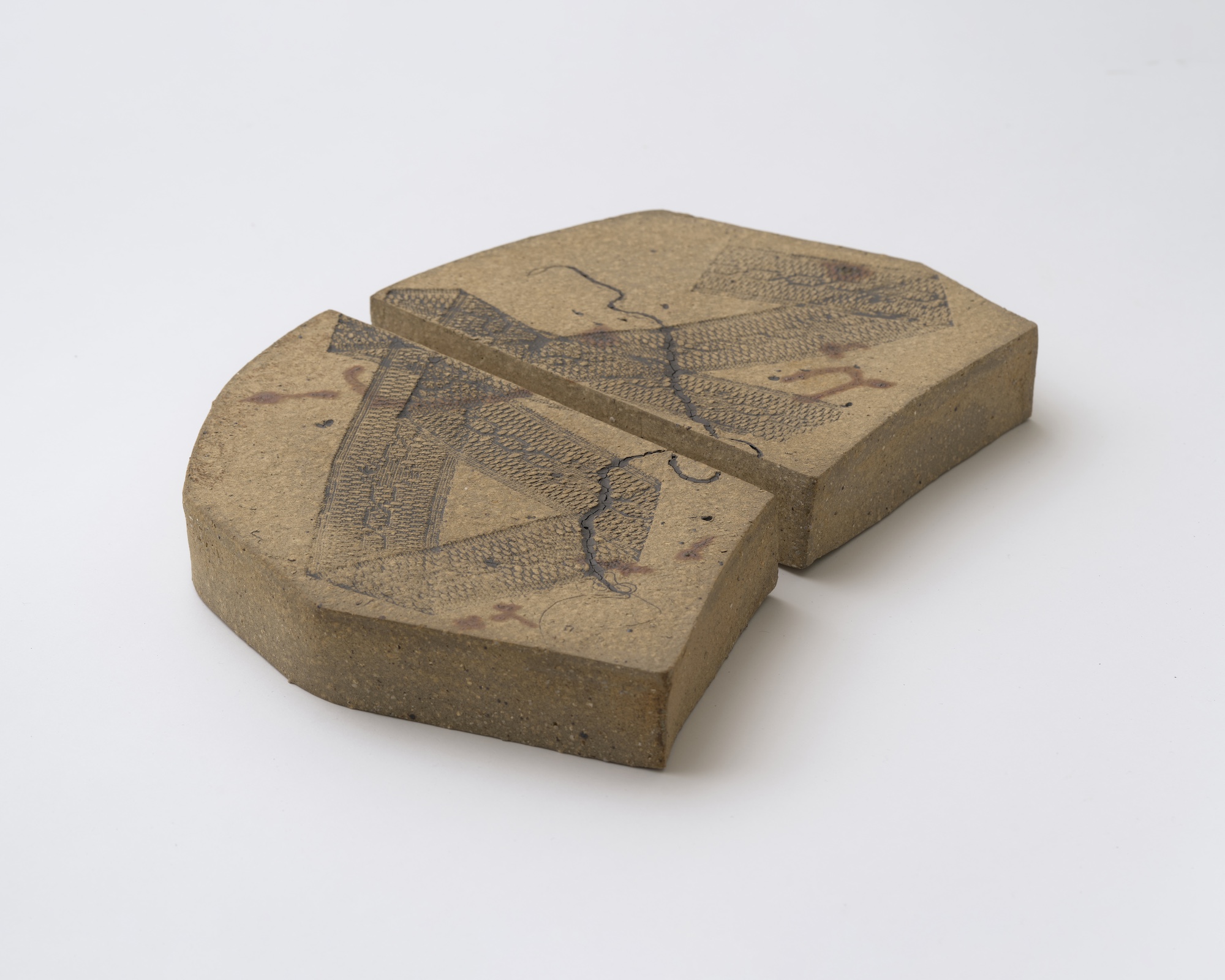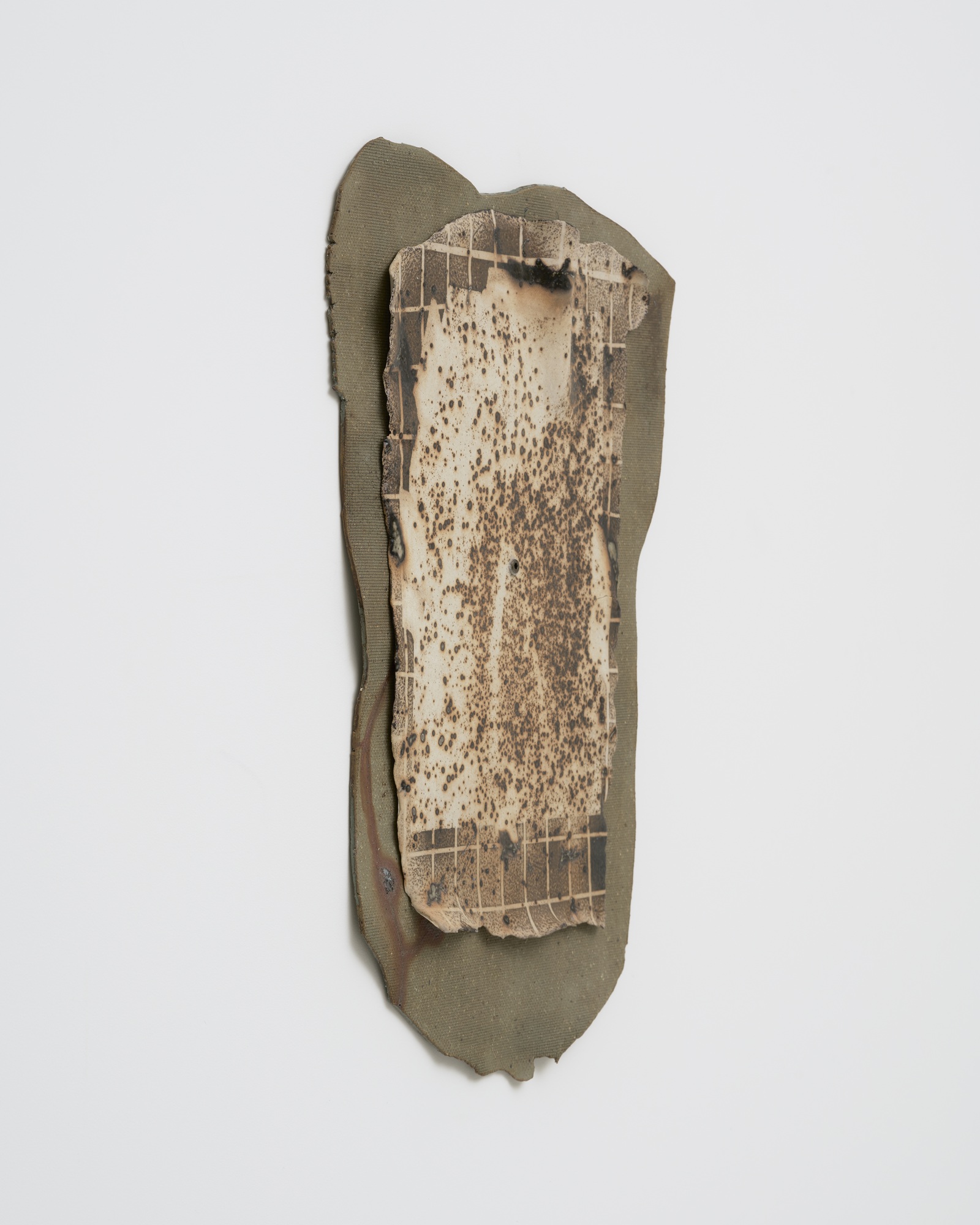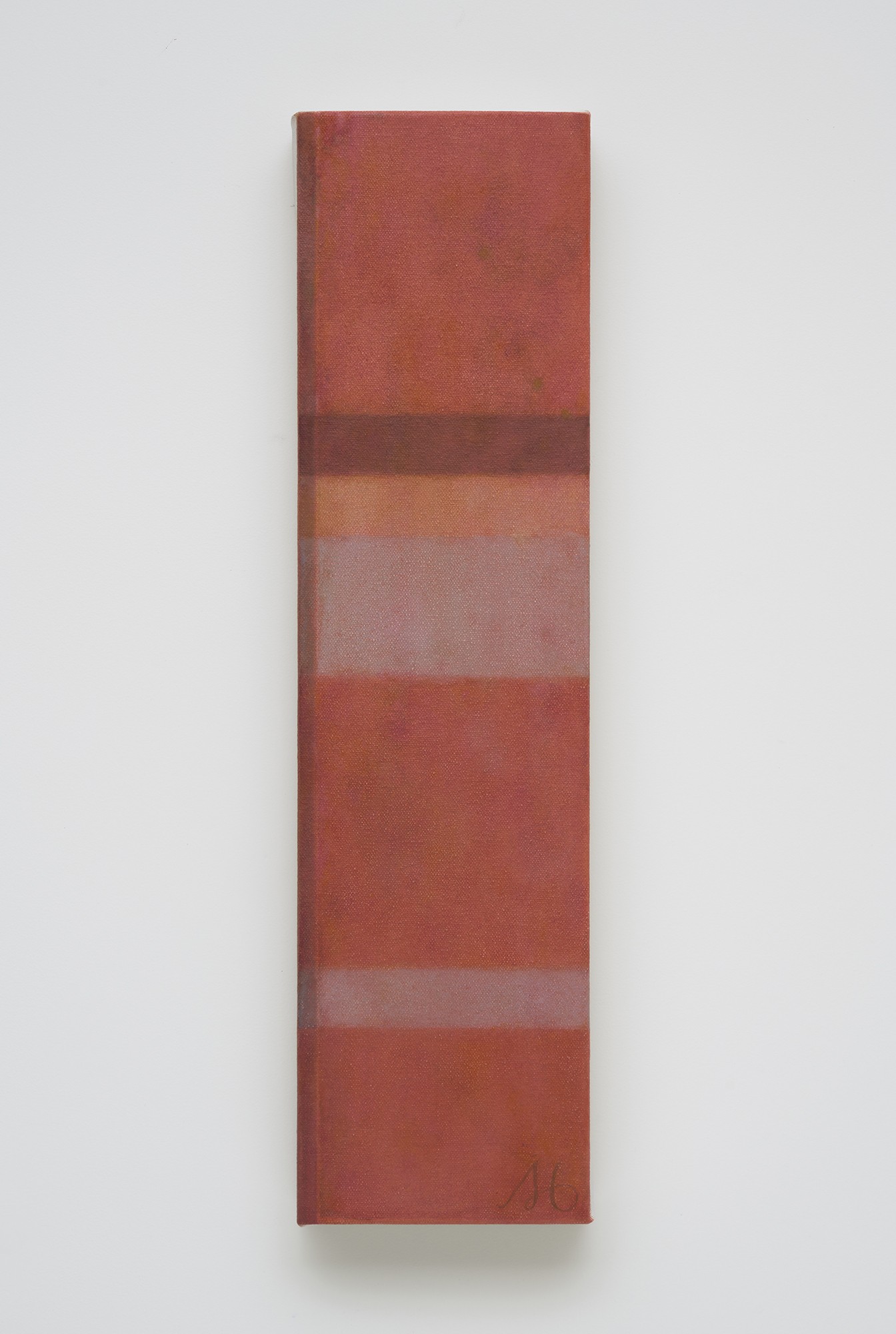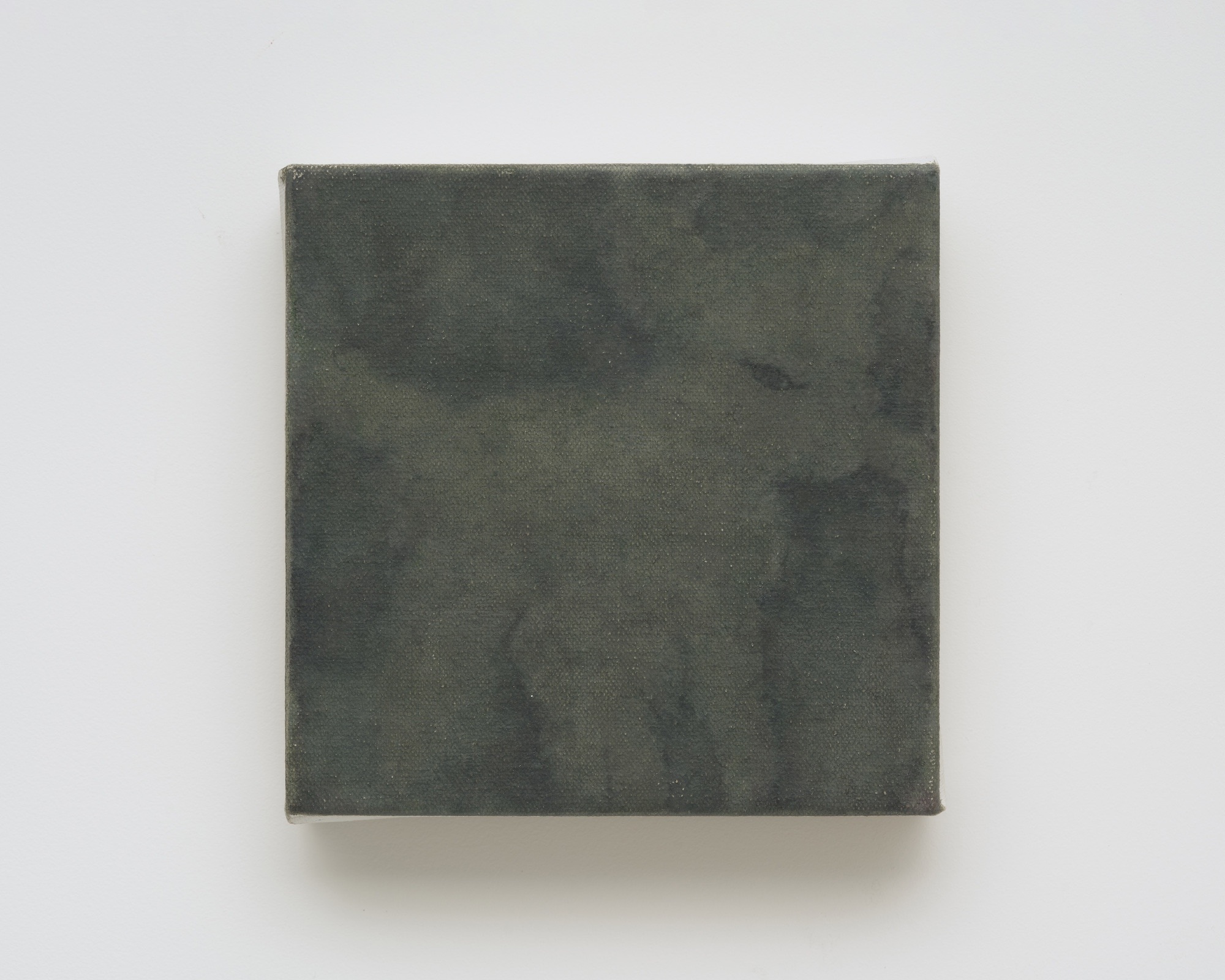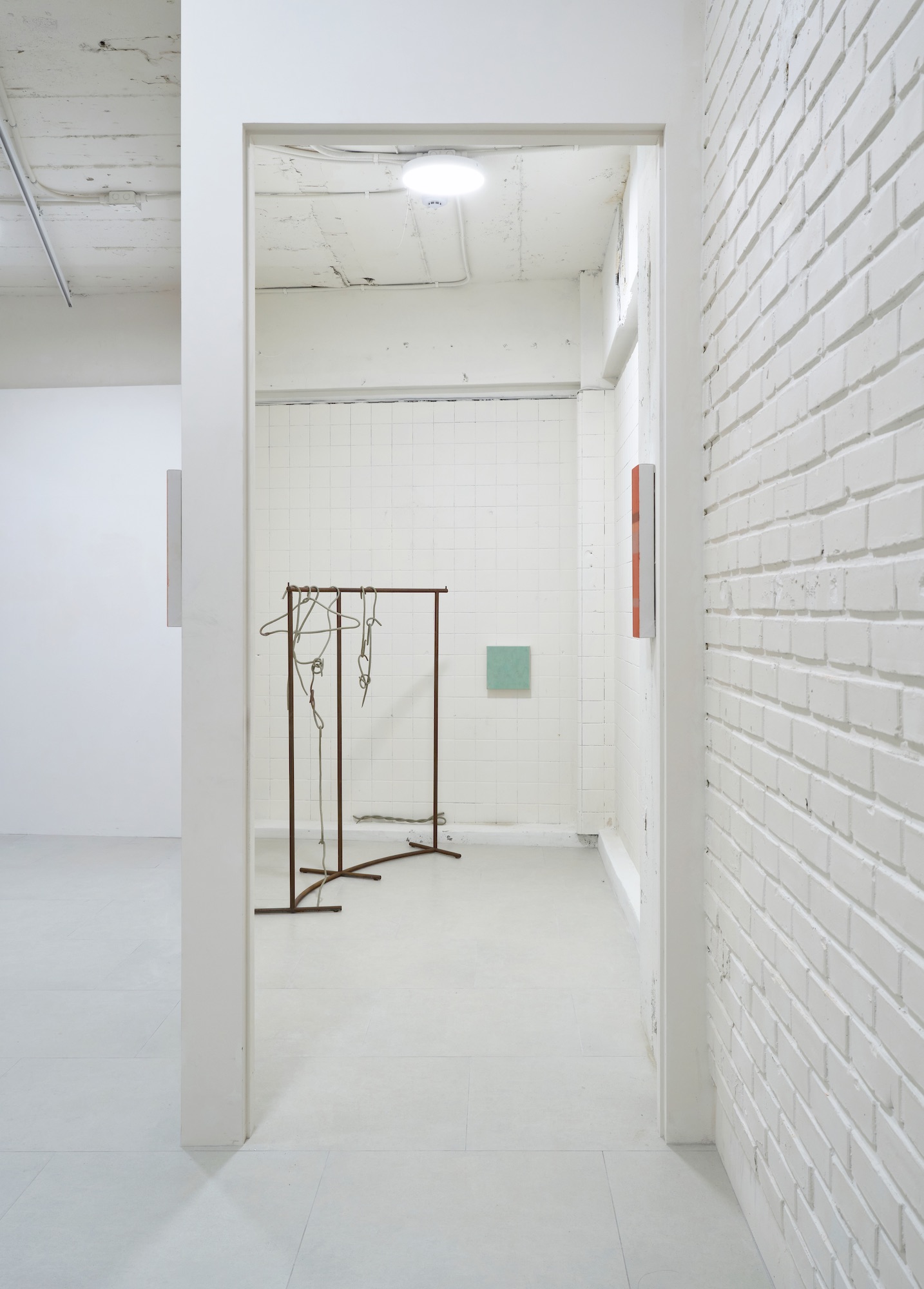
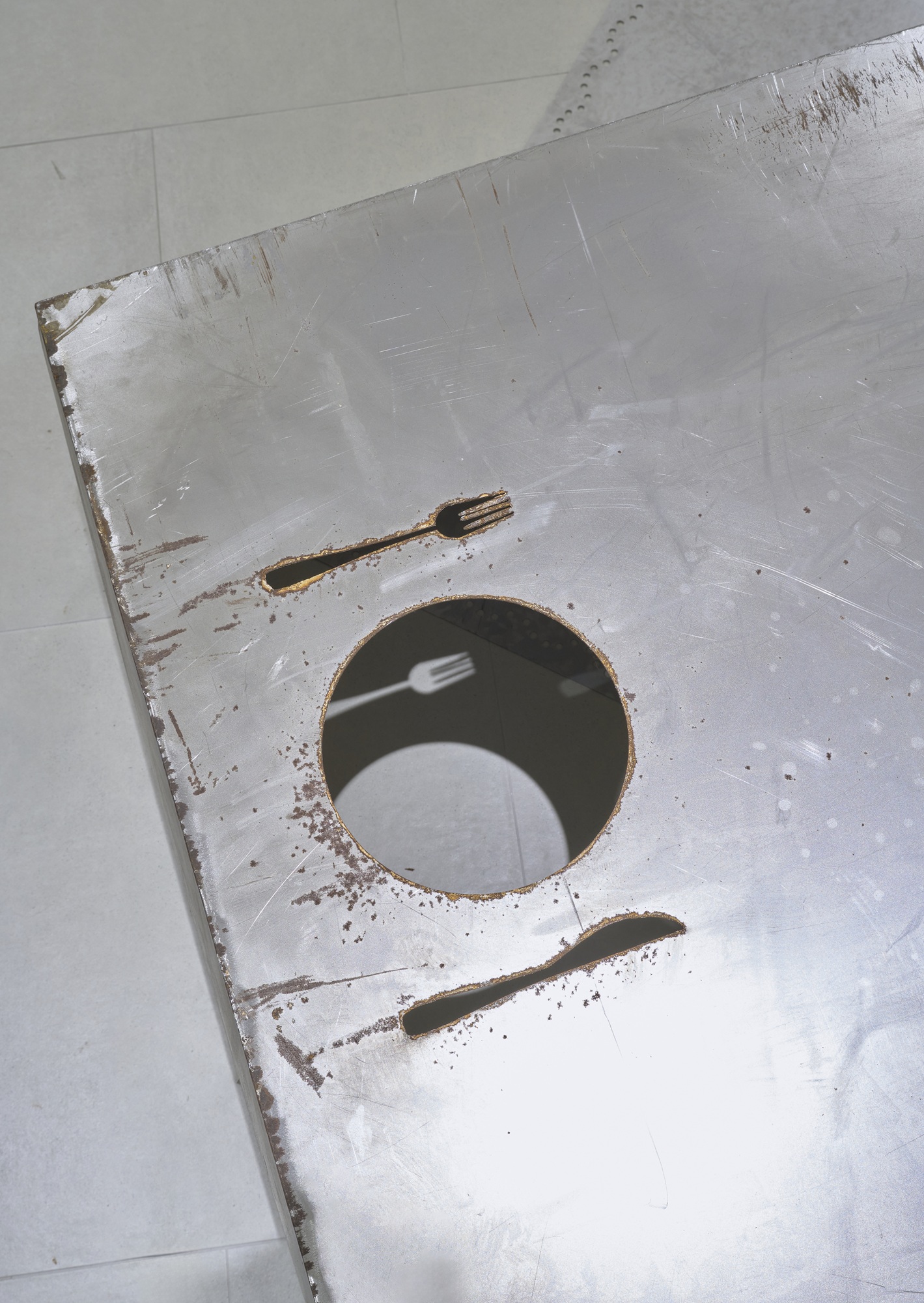
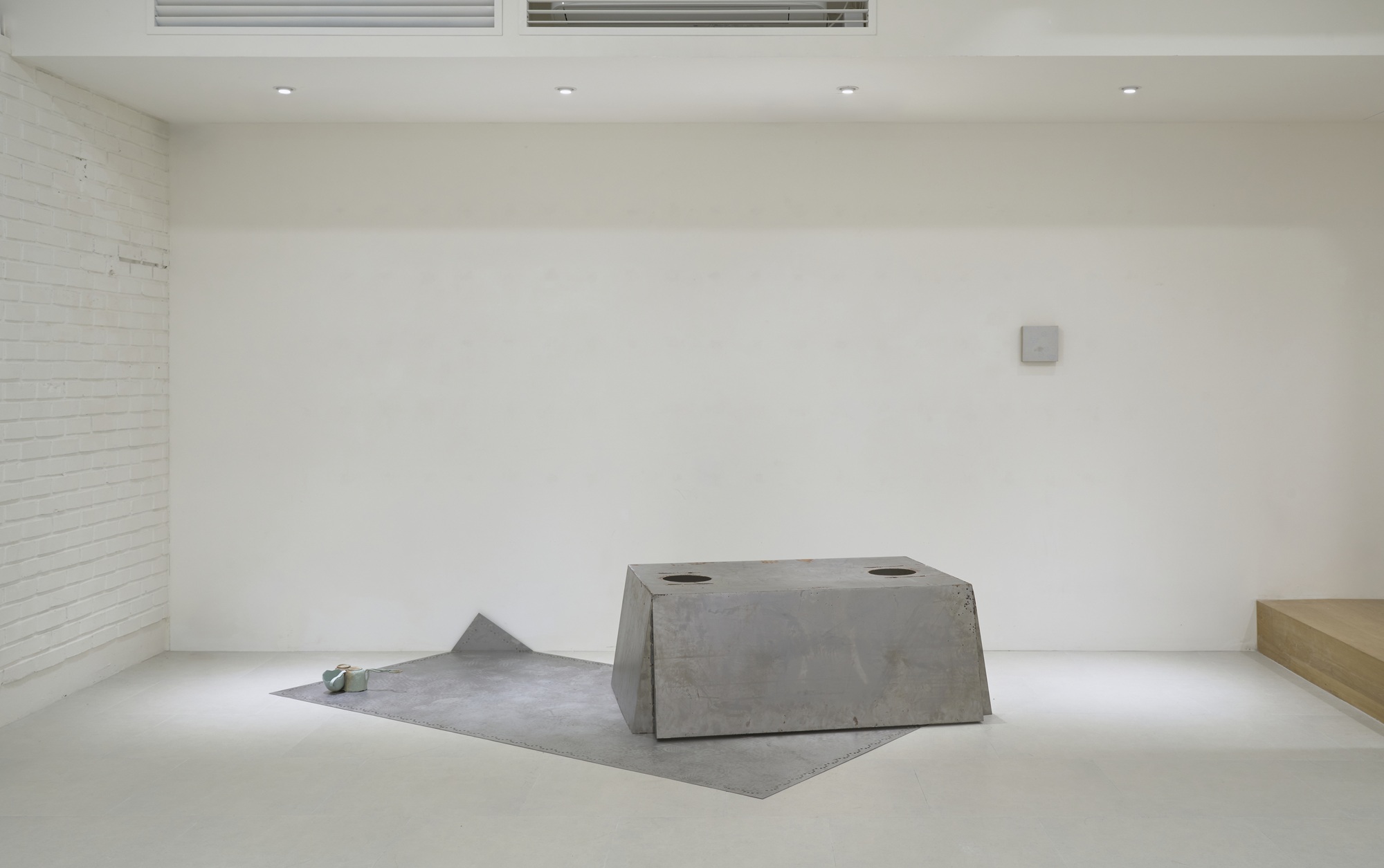
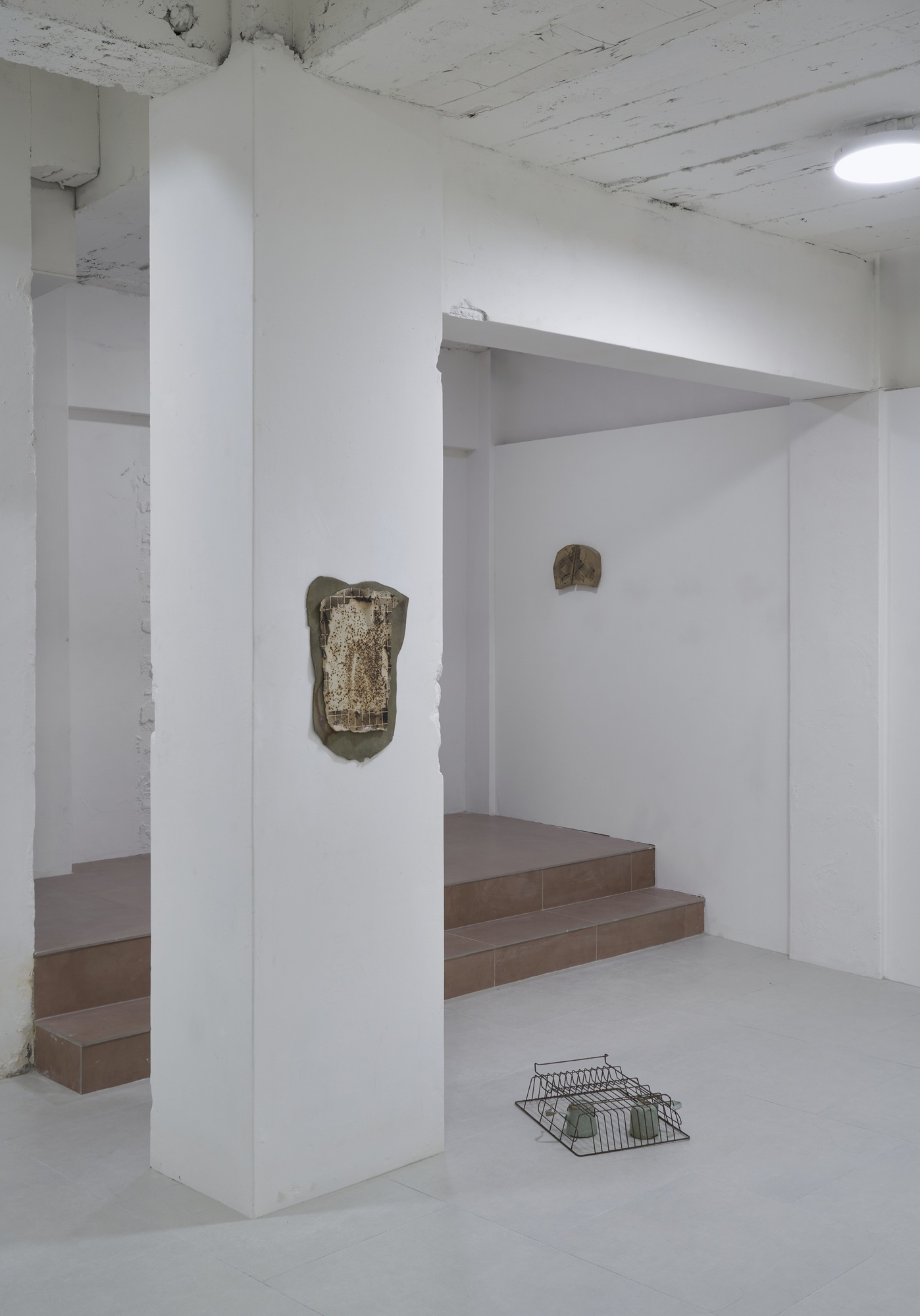
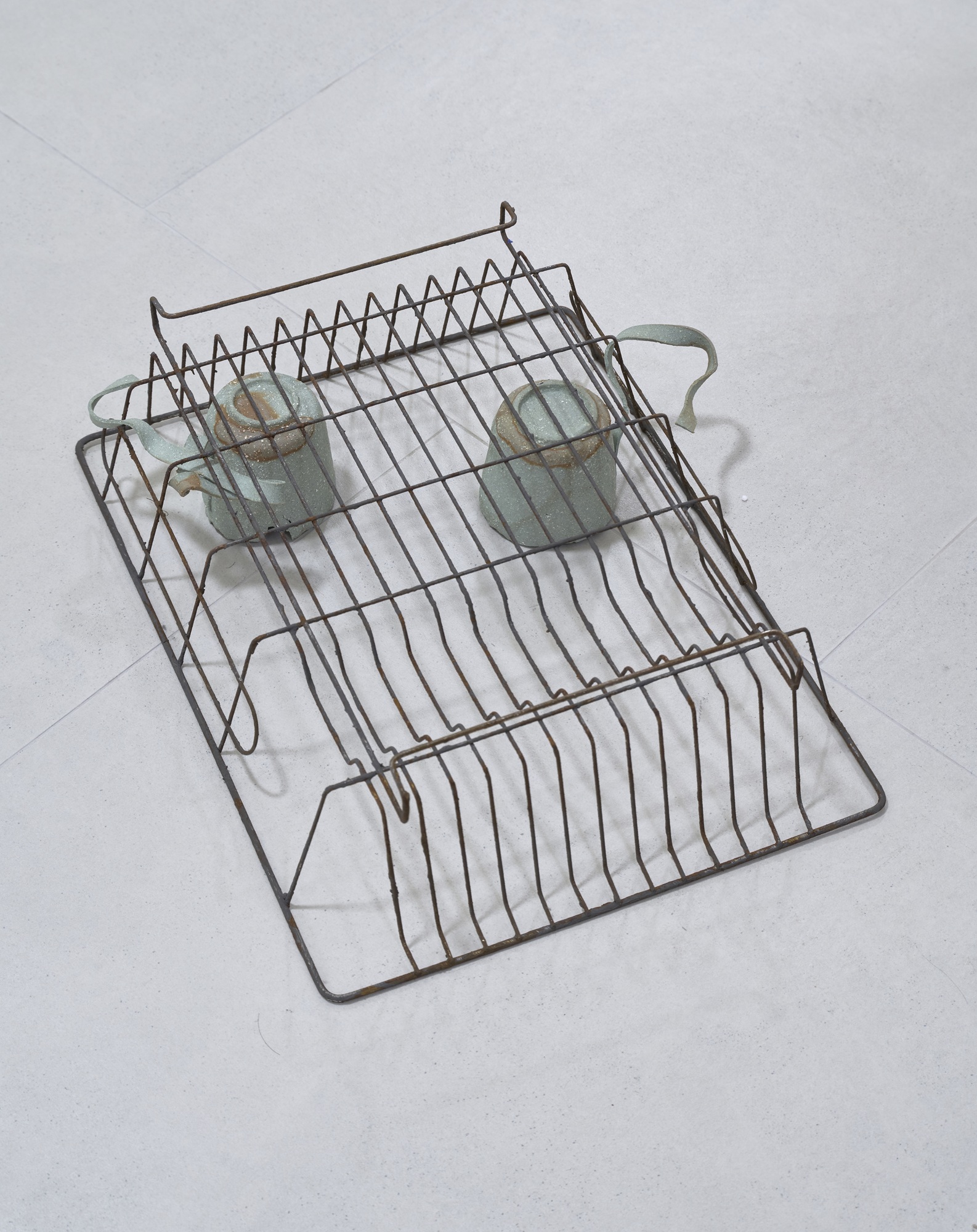
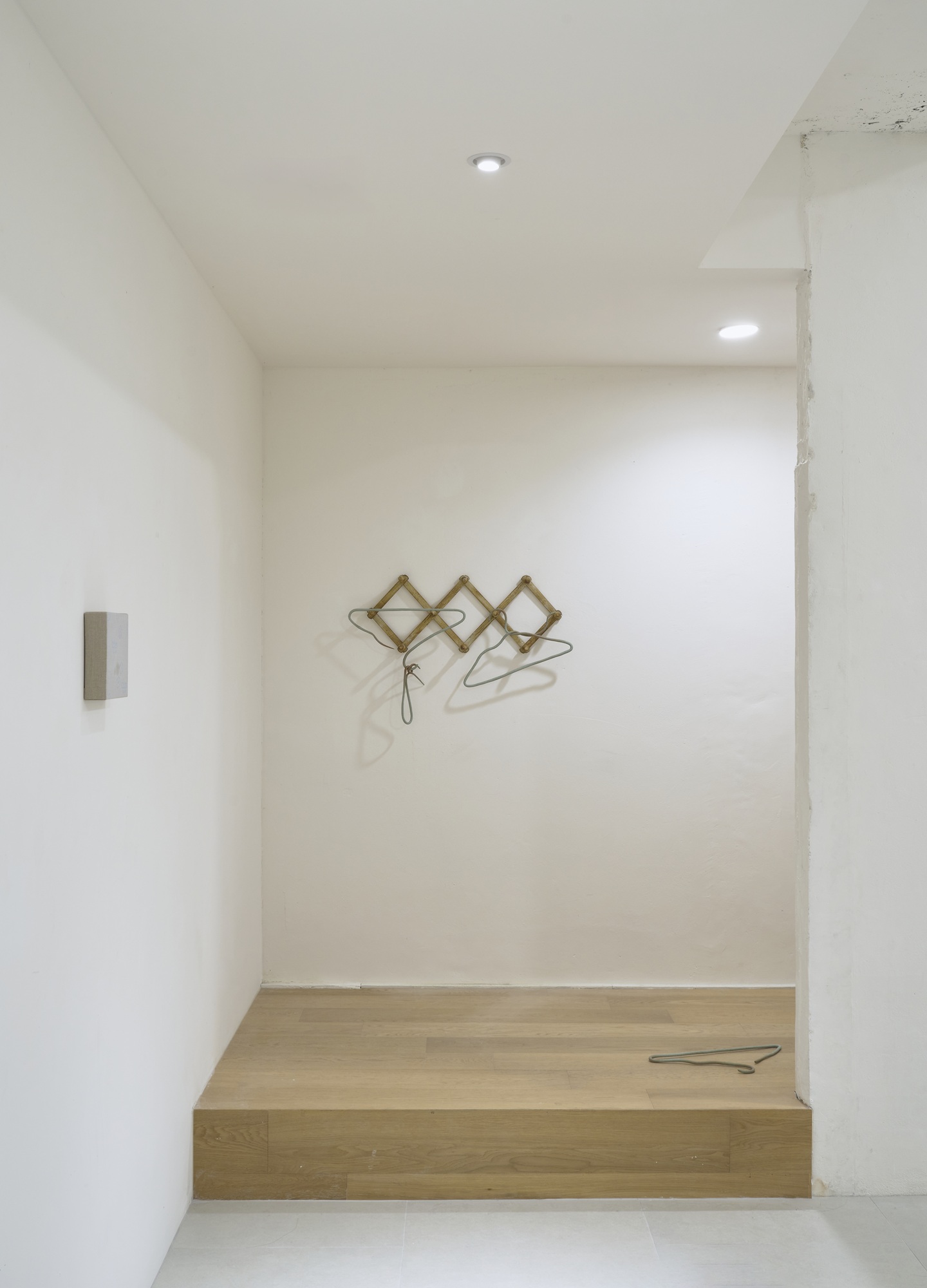
Descending for a long time down a deep staircase, one arrives at a worn room. The breaths, warmth, sounds, events, emotions, days and dawns of those who once warmed this place have softened in dampness and twisted in cold, eventually becoming today’s stooped walls and floors. At the center of the room, around a tablecloth stiffened and flattened against the ground, oddly splayed tableware and household items are scattered here and there. Stale snacks, scraps of fabric, old neckerchiefs, and other bits of clutter intermittently fill the bare walls. Everything appears dry and brittle, its surface pale and faded, as if drained of moisture. At a glance, the sculptures and paintings within the room seem to resemble one another; yet they in fact set out from quite distant points of origin.
The sculptures placed here contemplate “what remains.” Scenes that resist easy forgetting and continually renew their own meaning—memories that, rather than fading with the passage of time, persist by reconfiguring their forms—are repeatedly observed by Woen Jeong In, who traces their appearances and gives them shape using materials with a solidity akin to memory itself, such as clay, wood, and metal. These “remainders” take on lucid forms and acquire bodies meant to endure: as red and black stains left by oxidized salt (<cloth.2>,
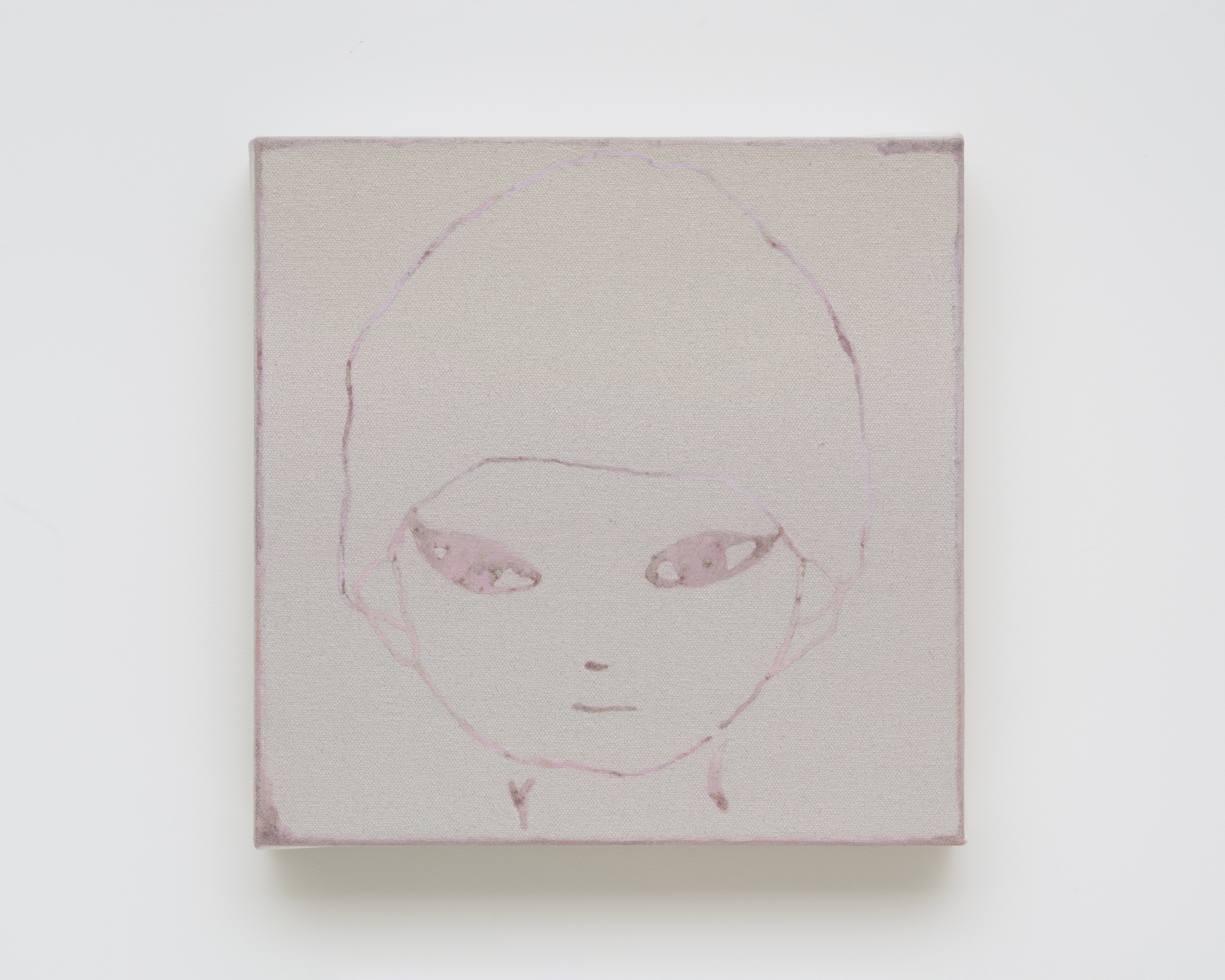
The hazy paintings lining the walls barely hold onto figures that retreat beneath flattened planes. These worn, subdued surfaces are paintings obtained by deliberately hastening exhaustion and decline. With an attitude reminiscent of childhood—when she once traded a smooth, new pencil case for a friend’s old one in order to avoid wear—Won Minyoung rapidly abrades the canvas as if by inertia. Pigment is laid onto loosely woven fabric, then repeatedly scraped, sanded, and refined, evenly fading line, color, and plane, hastening the depletion of the present. The carefully accumulated abrasion becomes the primary language of these paintings, producing a surface that is flawless precisely through wear.
Together, the two artists pull and push time, continuing to abrade themselves within this worn room.
깊은 계단을 따라 오래 내려가면 낡은 방. 한 때 여길 데웠을 사람의 호흡, 온기, 소리, 사 건, 감정, 낮과 새벽은 습에 무르고 한기에 뒤틀린 끝에 오늘의 구부정한 벽과 바닥이 되었다. 방 한 가운데 엎드려 굳은 식탁보 주위로 기묘하게 늘어진 식기와 살림이 군데 군데 놓이고, 묵은 간식과 천 조각, 목수건 따위의 잡동사니가 드문드문 빈 벽을 채운다. 하나같이 물기 잃 은 퍼석한 형색에 빛 바랜 듯 파리한 표면. 언뜻 닮은 방 안의 조각과 그림은 그러나, 서로 꽤 먼 곳으로부터 출발했다.
여기 놓인 조각은 ‘남은 것’을 되뇐다. 쉽사리 잊히지 않고 스스로 의미를 갱신하는 장면들, 시간의 흐름에 스러지기보다 도리어 형태를 개편하며 존속하는 기억을 원정인은 반복해서 응 시하고, 그 생김새를 더듬어 흙과 나무와 쇠 같은, 꼭 기억처럼 단단한 물성의 재료들로 조형 해 왔다. ‘남은 것’들은 소금이 산화된 붉고 검은 얼룩으로(<cloth.2>,
벽을 두른 흐린 그림들은 납작한 평면 아래 숨어드는 형상을 가까스로 붙든다. 닳은 듯 편 편한 이 화면들은 소진과 쇠락을 부러 손수 앞당겨 얻은 그림들이다. 원민영은 마모를 회피하 기 위해 매끄러운 새 필통을 친구의 낡은 필통과 바꾸었던 어린 날의 태세로, 관성처럼 캔버 스를 빠르게 연마한다. 성긴 천 위에 안료를 얹고, 거듭 깎고 갈며 다듬어 선과 색, 면을 고르 게 퇴색시켜 서둘러 현재를 소진한다. 공들여 쌓인 마모는 이 그림의 주요 언어가 되어, 흠결 없는 표면을 이룬다.
둘은 시간을 당기고 밀며 이 닳은 방에서 계속 마모하고 있다.